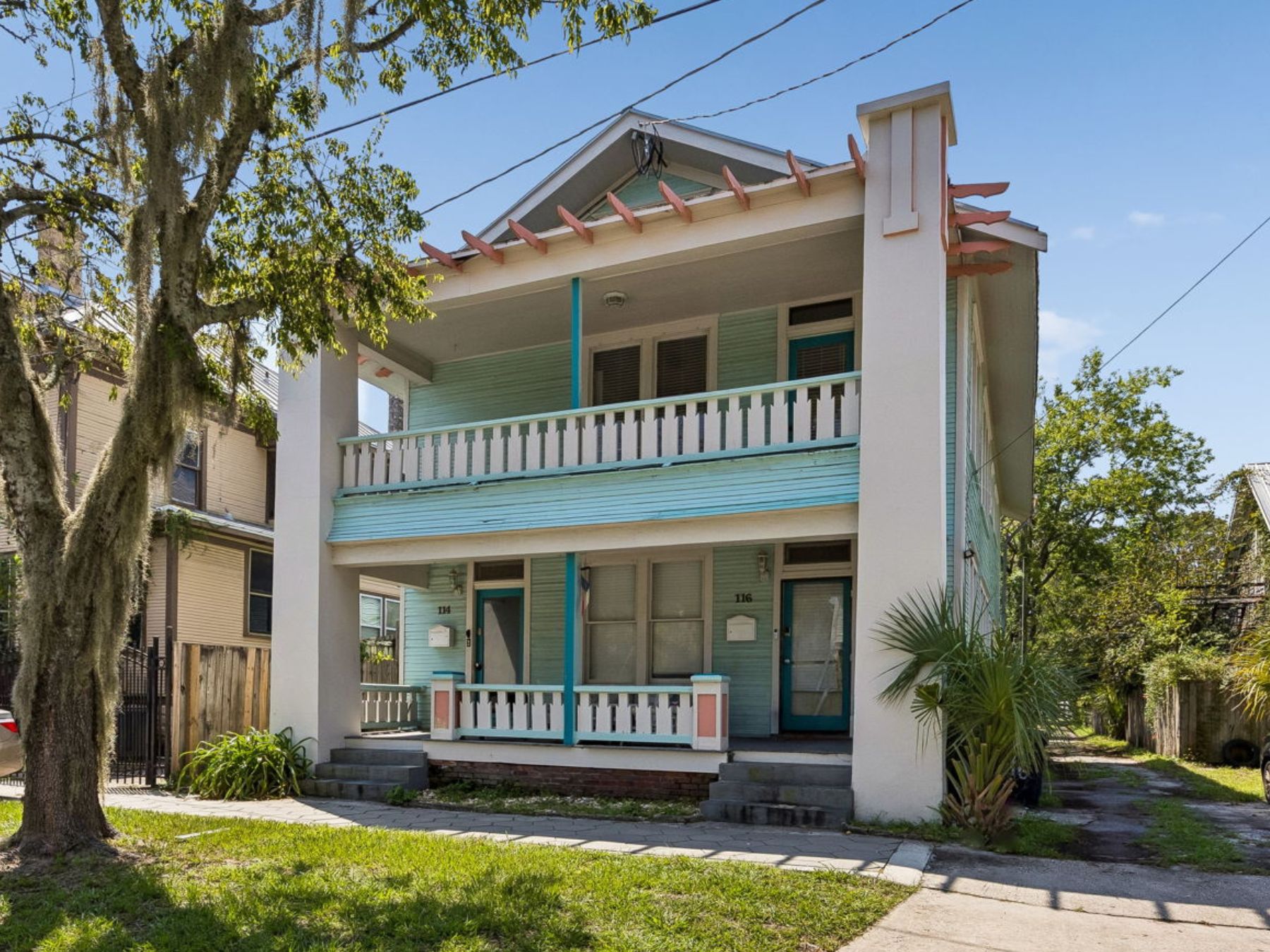


If you’ve ever walked into a house and thought, “This could be amazing, but it needs work,” you’re not alone. This is one of the most common situations buyers run into, especially in Jacksonville’s older neighborhoods where character often comes with a to-do list.
If you want to buy and renovate a home in Jacksonville, understanding the renovation loan process can make all the difference. The challenge is that most buyers assume they need cash to handle renovations or that they’ll have to figure it out after closing. That’s where renovation loans come in. They allow you to finance both the purchase of the home and the cost of improvements into a single loan, giving you the ability to transform a property instead of settling for what’s available.
Once you understand how they work, your options expand significantly. Instead of searching for something perfect, you can start looking for something with potential.
What Is a Renovation Loan?
A renovation loan is a mortgage that combines the cost of buying a home with the cost of improving it. Rather than purchasing a property and then taking on separate financing or paying out of pocket for updates, everything is built into one structured loan from the beginning.
What makes this powerful is that the loan is based on the home’s future value after renovations are completed. That means you are financing not just what the house is today, but what it will become. For buyers, this creates an opportunity to step into homes or neighborhoods that may have otherwise felt out of reach.
Why Buyers Use Renovation Loans
Most buyers don’t start out looking for renovation loans. They end up there after realizing that the homes available in their price range don’t match what they want.
This often happens when buyers are trying to get into a specific neighborhood where homes tend to need updates, or when they find a property they love that doesn’t qualify for traditional financing. In other cases, it’s simply about wanting control over the final product instead of inheriting someone else’s design choices.
In a market like Jacksonville, especially in older areas, inspection reports can look intimidating at first glance. But when you have the right financing in place, many of those issues become manageable instead of deal-breakers.
Step One: Pre-Approval and Planning
Everything starts with understanding your numbers. Before you even begin looking at homes, you need to get pre-approved and have a clear picture of what your total budget looks like, including renovations.
This step is more involved than a typical pre-approval because you are not just qualifying for a purchase price. You are qualifying for a full project. That includes the home itself, the scope of work, and the estimated cost of improvements.
Working with the right lender and having early conversations about renovation loan guidelines will shape your entire search.
Step Two: Finding the Right Property and Contractor
Once you’re pre-approved, your home search becomes more strategic. Instead of asking whether a home is perfect as-is, you start evaluating whether it has the potential to become what you want.
This is where your Realtor and contractor play a key role. After identifying a property, you’ll move forward with a purchase agreement and complete a home inspection. The inspection is not about finding a flawless home. It’s about understanding what needs to be addressed and what improvements make sense.
From there, a qualified contractor will put together a detailed scope of work and cost estimate.
Step Three: Loan Processing and Approval
During this phase, the lender pulls everything together and submits the file for approval. One of the most important pieces here is the appraisal, which is based on the future value of the home after renovations are completed.
Instead of looking at the home in its current condition, the appraiser evaluates what the property will be worth once the planned improvements are finished.
You’ll also finalize your financial documentation as the loan moves through underwriting.
Step Four: Closing and Renovations
Once the loan is approved, the process moves to closing just like a traditional purchase. After closing, the renovation phase begins.
Instead of receiving renovation funds upfront, the money is held in escrow and released in stages as work is completed. This structure ensures that the work is being completed properly before payments are made.
What Renovation Loans Can Cover
One of the biggest advantages of renovation loans is their flexibility. They can cover a wide range of improvements, from cosmetic updates to more significant repairs.
This includes kitchens, bathrooms, flooring, roofing, HVAC systems, and electrical or plumbing updates. In many cases, structural repairs and layout changes can also be included.
Common Mistakes to Avoid
Renovation loans require a different mindset than traditional home purchases. One of the biggest mistakes is underestimating renovation costs. Older homes often come with surprises, so building in a buffer is important.
Another is choosing the wrong contractor. Buyers also sometimes expect the process to move as quickly as a standard loan, which isn’t realistic. Finally, focusing only on cosmetic upgrades can lead to problems.
Is a Renovation Loan Right for You?
This approach works best for buyers who are willing to think strategically. If you’re open to planning ahead and working through a more detailed process, the payoff can be significant.
You gain control over the final product and often build equity faster than you would with a move-in-ready home.
Final Thoughts
Most buyers limit themselves without realizing it. Renovation loans allow you to see opportunity where others see problems and open the door to homes that better fit your lifestyle.
With the right team and a clear plan, this can be one of the most effective ways to create the right home.