
Let me tell you something that most real estate agents won’t admit: the home inspection period is the most critical phase of buying property in Jacksonville. I’ve watched too many buyers spend months agonizing over paint colors and minor repairs after closing, yet they rushed through their inspection period like it was a formality. That’s backwards.
Your home inspection period – typically those crucial first 10-15 days after your offer gets accepted -determines whether you’re buying your dream home or inheriting someone else’s nightmare. Everything else? That’s just decorating.
What Actually Happens During Your Home Inspection Period
Here’s the reality: once your offer is accepted, the clock starts ticking. You’ve got a narrow window to investigate everything about this property before you’re legally committed to buying it. Miss something critical during your inspection period, and you’ll be stuck with it – or stuck walking away from thousands of dollars in earnest money.
During this time, you’re scheduling the home inspection, reviewing disclosure documents, securing your financing, and potentially ordering specialized inspections for things like termites, roofs, or HVAC systems. In Jacksonville’s older neighborhoods like Springfield or Riverside, you might also need a structural engineer to evaluate foundation issues or a contractor to estimate renovation costs.
The catch? You’re coordinating all of this while sellers wait for answers and your lender processes paperwork. Meanwhile, other buyers might be circling if your deal falls through.
Why Jacksonville Makes Your Inspection Period Even More Critical
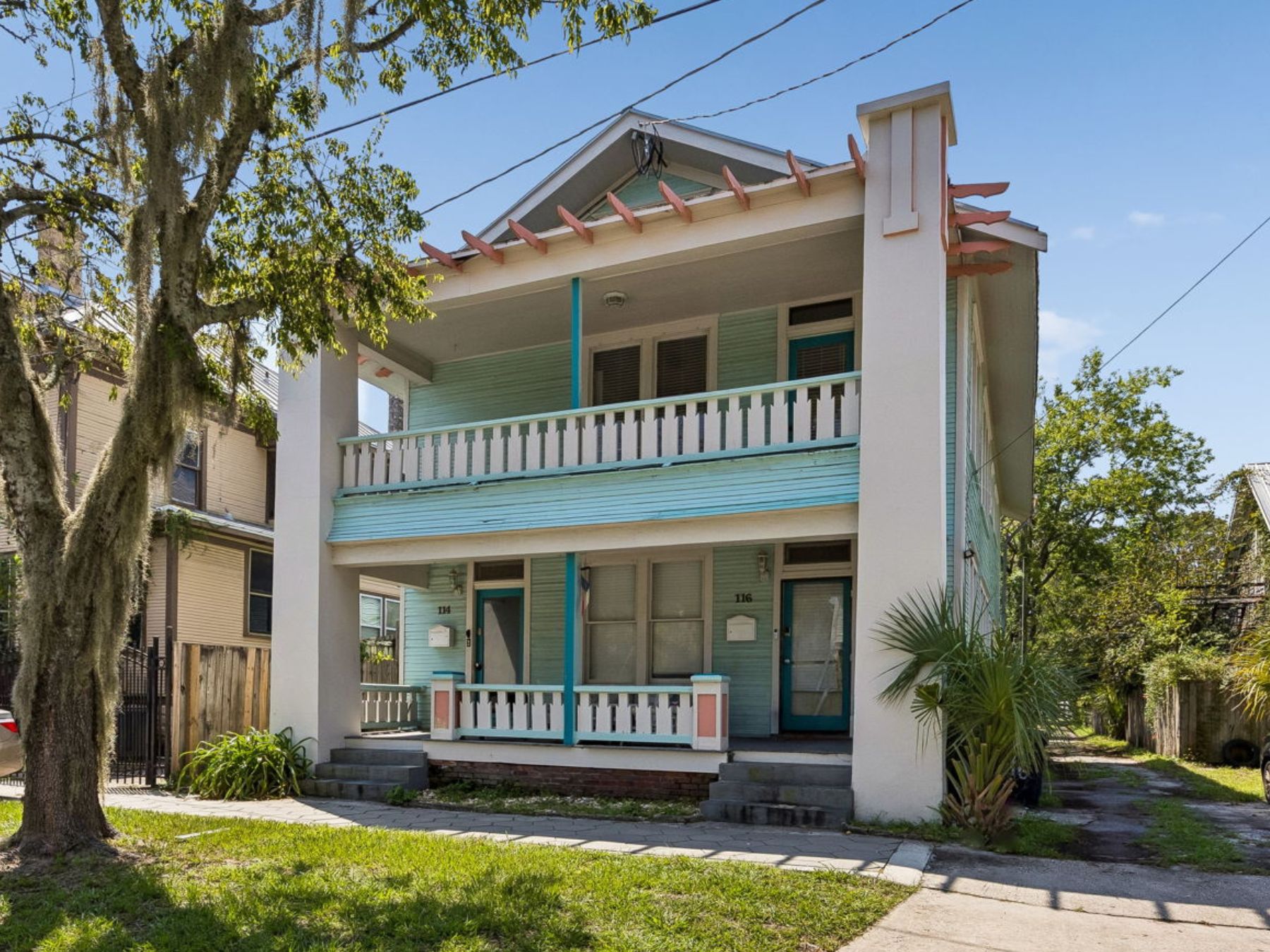
Jacksonville’s housing market operates differently than many people expect. We’ve got historic homes built in the 1920s sitting blocks away from new construction. That diversity creates opportunity, but it also means your inspection period varies wildly in complexity.
For instance, when you’re buying a renovated Craftsman bungalow in Murray Hill, your inspector needs to verify that whoever did the work pulled permits and followed code. Otherwise, you might discover unpermitted electrical work when you try to sell five years later. Similarly, homes near the beaches face unique challenges with salt air corrosion and flood zone requirements that don’t exist in Southside neighborhoods.
These aren’t issues you can fix with a weekend trip to Home Depot. They’re structural, financial, and legal problems that show up during your home inspection period – if you’re paying attention.
What Your Home Inspector Is Actually Looking For
A good home inspector isn’t just checking whether the toilet flushes. They’re evaluating the home’s major systems and structure to identify problems that could cost you tens of thousands of dollars.
Specifically, they’re examining:
Foundation and structural integrity. In Jacksonville’s sandy soil, foundation settling is common. Your inspector checks for cracks, shifting, and water intrusion that signal serious problems. I’ve seen buyers walk away from “perfect” homes after inspectors found foundation issues requiring $40,000 in repairs.
Roof condition and remaining lifespan. Florida’s heat and humidity destroy roofs faster than in cooler climates. Your inspector estimates how many years you’ve got before replacement – critical information when roofs cost $15,000 to $30,000 depending on the home’s size.
Electrical systems and safety hazards. Older homes often have outdated wiring, overloaded circuits, or dangerous DIY electrical work. Some historic properties still have knob-and-tube wiring or Federal Pacific panels that insurance companies won’t cover.
Plumbing, including sewer lines. Cast iron pipes in older homes corrode from the inside out. You won’t see the problem until raw sewage backs up into your house – or your inspector runs a camera through the sewer line during your inspection period.
HVAC system age and efficiency. Replacing an air conditioning system in Florida isn’t optional when it dies in August. Knowing the unit’s age and condition helps you budget for replacement before you’re facing a $7,000 emergency.
Beyond these major systems, inspectors note safety issues like missing GFCI outlets, inadequate ventilation, mold growth, and code violations. The inspection report becomes your roadmap for negotiations and your maintenance plan for the next decade.
Understanding “As-Is” Sales During the Inspection Period
Here’s something that confuses buyers: “as-is” doesn’t mean you skip the home inspection period. It means the seller isn’t required to make repairs. You still get your inspection time, and you can still negotiate or walk away based on what you find.
However, “as-is” properties in Jacksonville’s historic neighborhoods often hide significant issues. Sellers choose as-is sales because they know repairs are needed but don’t want to deal with them. That makes your inspection period even more critical—you’re essentially evaluating whether the purchase price makes sense given the required repairs.
What Happens After Your Inspection Period Ends
Once your home inspection period closes, you’re committed. Sure, you can still back out if your financing falls through or the appraisal comes in low, but you can’t cite inspection issues as a reason to renegotiate or cancel without losing your earnest money.
This is why your inspection period matters so much. After closing, you’ll spend months painting, landscaping, and decorating. Those activities are optional and reversible. The foundation crack you missed during your inspection period? That’s permanent and expensive.
I’ve watched buyers spend the 30 days between contract and closing obsessing over which appliances the seller is leaving while ignoring red flags in the inspection report. Then they spend the next five years dealing with moisture problems, electrical issues, or structural damage they could have addressed during their inspection period.
How to Maximize Your Home Inspection Period
First, hire a qualified inspector immediately after your offer is accepted. Don’t wait. In Jacksonville’s competitive market, you might need to schedule inspections three to four days out, which eats into your window for follow-up inspections or negotiations.
Second, attend the inspection yourself if you can. Your inspector will show you exactly where problems exist and explain their severity. You’ll understand why a cracked foundation matters more than outdated light fixtures. Plus, you’ll learn how your home’s systems work, which helps with maintenance after you move in.
Third, read the entire inspection report – not just the summary. Inspectors flag both major issues and minor concerns. Understanding the difference helps you negotiate intelligently instead of demanding the seller fix every loose doorknob.
Fourth, get specialist opinions when needed. If your inspector notes potential roof damage, hire a roofing contractor for a detailed evaluation and estimate. The same goes for HVAC systems, electrical panels, or foundation concerns. Spending $300 on a specialist during your inspection period could save you from a $30,000 surprise after closing. Order your inspection first thing after going under contract so you have time to get specialists out if needed before the inspection period is over.
Finally, use inspection results strategically in negotiations. Major safety issues or system failures justify price reductions or repair requests. Minor cosmetic issues don’t – and asking for everything makes sellers less willing to address the serious problems.
Jacksonville-Specific Issues to Address During Your Inspection Period
Living in Northeast Florida means dealing with specific concerns that don’t exist in other markets. Your home inspection period needs to address these regional issues or you’ll regret it.
Flood zones and drainage. Many Jacksonville neighborhoods flood during heavy rain. Your inspector checks grading, drainage, and water intrusion signs, but you should also verify flood zone designation and insurance costs before your inspection period ends.
Termites and wood-destroying organisms. Florida’s humidity creates ideal conditions for termites. Some loans, like FHA and VA, require a termite inspection with no repairs needed. But I recommend getting an inspection whether it does or not. You should review the report carefully during your inspection period. Active infestations require treatment before closing, while previous damage needs evaluation to determine if structural repairs are necessary.
Hurricane preparedness. Your inspector notes whether windows are impact-rated and if the garage door meets wind load requirements. These aren’t just safety issues – they affect insurance costs and storm damage risk.
Mold and moisture. Jacksonville’s climate promotes mold growth in attics, crawl spaces, and poorly ventilated areas. Your inspector identifies moisture sources and existing mold, but addressing the root cause prevents recurring problems.
These regional concerns justify thorough inspections even when you’re buying a seemingly perfect property. Your home inspection period is your only opportunity to identify these issues before you own them.
Budgeting Based on Your Inspection Period Findings
Smart buyers factor inspection findings into their overall budget from day one. Your home inspection period reveals what you’ll actually pay to own the home – not just the purchase price.
For example, if inspection reveals the roof needs replacement in two years, you’re effectively committing to the purchase price plus $20,000 in near-term costs. That information helps you decide whether to renegotiate, walk away, or accept the situation with eyes open.
Conversely, an inspection that reveals only minor maintenance needs confirms you’re paying fair market value for a solid property. Either way, you’re making an informed decision instead of gambling with your life savings.
Common Mistakes Buyers Make During the Inspection Period
Skipping the inspection to save money. Some buyers waive their home inspection period entirely, thinking they’ll save a few hundred dollars. Then they discover major problems after closing and spend thousands fixing issues they could have negotiated or walked away from.
Not attending the inspection in person. Reading a report isn’t the same as watching your inspector point out problems. You miss context, severity indicators, and the opportunity to ask questions when you’re not there. Inspections can take several hours so many buyers come at the end and discuss everything with the inspector after they have completed the inspection.
Focusing on cosmetic issues instead of structural problems. Buyers sometimes fixate on outdated countertops while glossing over failing HVAC systems. Your inspection period should prioritize expensive mechanical and structural issues, not aesthetics.
Waiting too long to schedule. If you delay scheduling your inspection, you compress the time available for follow-up inspections, contractor estimates, and negotiations. Use the first day of your inspection period to book your inspector.
Ignoring the inspection report after negotiating. Your inspection report is a maintenance roadmap for the next decade. Even if the seller makes repairs or reduces the price, you still need to budget for the issues identified during your home inspection period.
How Long Should Your Inspection Period Be?
Most contracts in Jacksonville include a 10-15 day home inspection period, but you can negotiate for more or less time depending on the property and market conditions.
In a competitive market, sellers prefer shorter inspection periods because it reduces their uncertainty. However, historic homes, properties needing extensive evaluation, or houses requiring multiple specialist inspections justify requesting 15 days.
Conversely, new construction or recently renovated homes might only need a 7-day inspection period since there’s less to evaluate. Your agent should help you determine the appropriate timeline based on the specific property and buyer competition.
Questions to Ask During Your Home Inspection Period
When you attend your inspection, come prepared with questions that help you understand what you’re buying:
- What are the most serious issues you’ve found?
- Which problems require immediate attention versus future maintenance?
- What’s the typical lifespan of the major systems in this home?
- Are there any safety hazards I should address right away?
- What maintenance should I prioritize in the first year?
- Do any issues suggest other hidden problems?
- Which repairs should I get specialist estimates for?
Your inspector can’t tell you whether to buy the house, but they can provide the information you need to make that decision yourself during your home inspection period.
Negotiating After Your Home Inspection
Once you receive your inspection report, you’ve got several options before your home inspection period expires:
Request repairs. You can ask the seller to fix specific issues before closing. This works best for major safety hazards or system failures, not minor maintenance items.
Ask for a price reduction. Instead of repairs, you might negotiate a lower purchase price that reflects the cost of necessary work. This gives you control over who does the repairs and how they’re completed.
Request a credit at closing. The seller provides money at closing that you can use for repairs after you take ownership. This is popular because it doesn’t delay closing while repairs are completed.
Accept the property as-is. If inspection reveals only minor issues or problems you’re comfortable handling, you might proceed without negotiating. This is common when you’re getting a good deal already.
Walk away. If inspection uncovers major problems that make the property unworkable for your budget or needs, you can cancel during your inspection period and get your earnest money back.
The key is acting before your home inspection period deadline. Once that expires, you lose your leverage to negotiate or cancel based on inspection findings.
Why Working With an Experienced Agent Matters
Your real estate agent should guide you through every step of your home inspection period, from recommending qualified inspectors to interpreting results and negotiating based on findings.
An experienced Jacksonville agent knows which issues are deal-breakers versus normal maintenance for homes in specific neighborhoods. They understand local contractors’ repair costs, which helps with realistic negotiations. They’ve also built relationships with specialists who can provide quick evaluations during your compressed timeline.
Most importantly, they’ve seen enough transactions to know when you should walk away. Sometimes the best use of your home inspection period is discovering you’re about to buy a property that will drain your finances for years.
The Bottom Line on Your Home Inspection Period
Your home inspection period is the most important phase of buying property in Jacksonville. This narrow window determines your financial future as a homeowner. Everything else – the mortgage payments, the renovations, the decorating – flows from the decisions you make during this time.
You can always repaint rooms, upgrade appliances, or refinish floors. You can’t retroactively inspect the foundation, rewire the house without drywall destruction, or uncover latent defects after your inspection period ends.
Treat your home inspection period like the critical decision point it is. Hire qualified professionals, attend the inspection, read the report carefully, and negotiate based on facts rather than emotions. The time and money you invest during these 10 days will save you exponentially more over the lifetime of homeownership.
Because in real estate, unlike most of life, you really can’t go back and fix your mistakes. You either get it right during your home inspection period, or you live with the consequences for as long as you own the property.
That’s why your home inspection period matters more than you think—and why working with an agent who understands this principle makes all the difference when buying a home in Jacksonville.
Key Takeaways
- The home inspection period is crucial for buyers; it helps determine if you’re getting your dream home or a potential nightmare.
- In Jacksonville, this period varies in complexity due to a diverse housing market with both historic and new properties.
- Buyers often make mistakes like skipping inspections, focusing on cosmetic issues, or not attending the inspection in person.
- During the home inspection period, buyers should evaluate major systems, address specific regional issues like mold and flooding, and negotiate based on findings.
- Work with an experienced agent to navigate the inspection period and understand local issues, as their guidance can save you from costly mistakes.