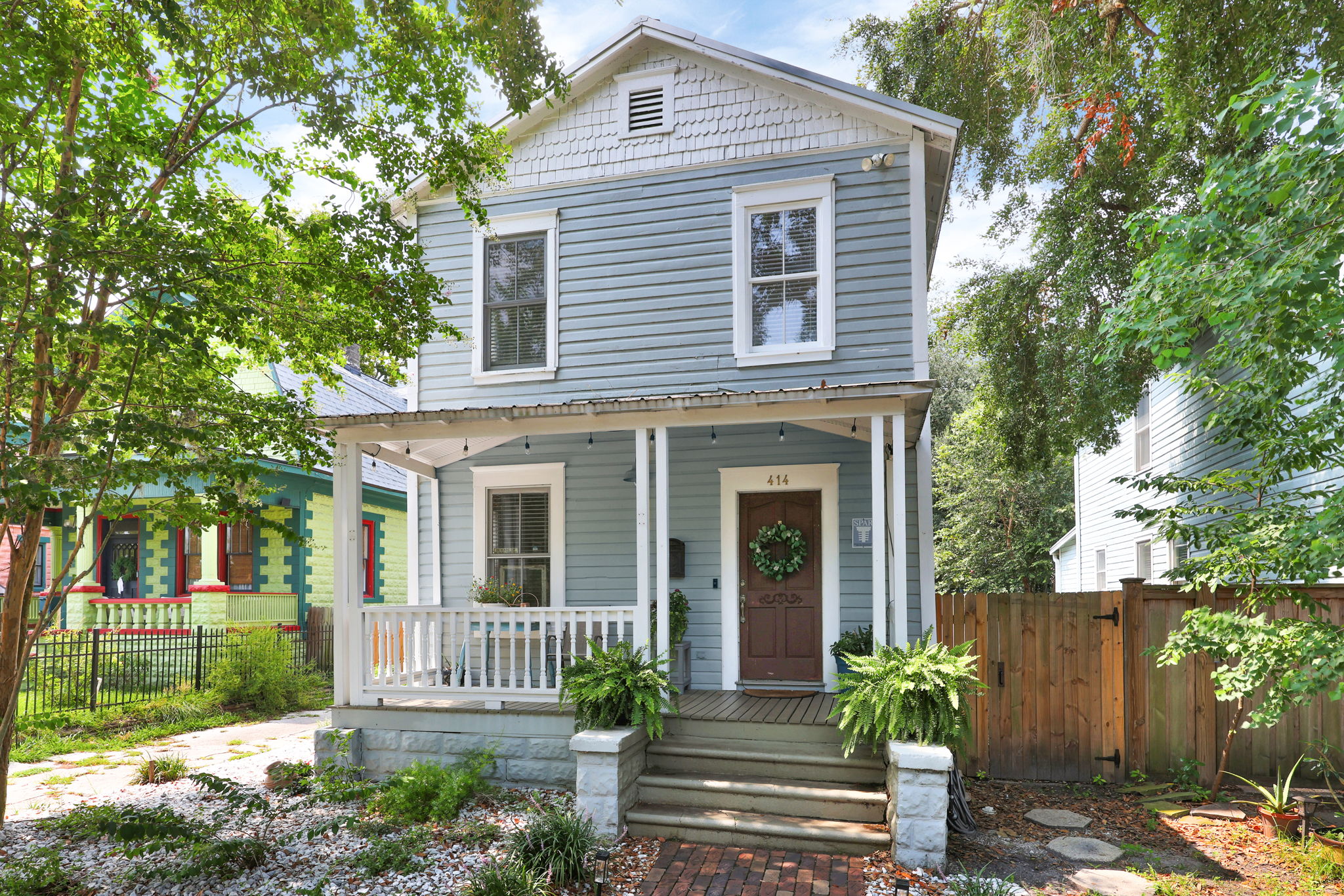

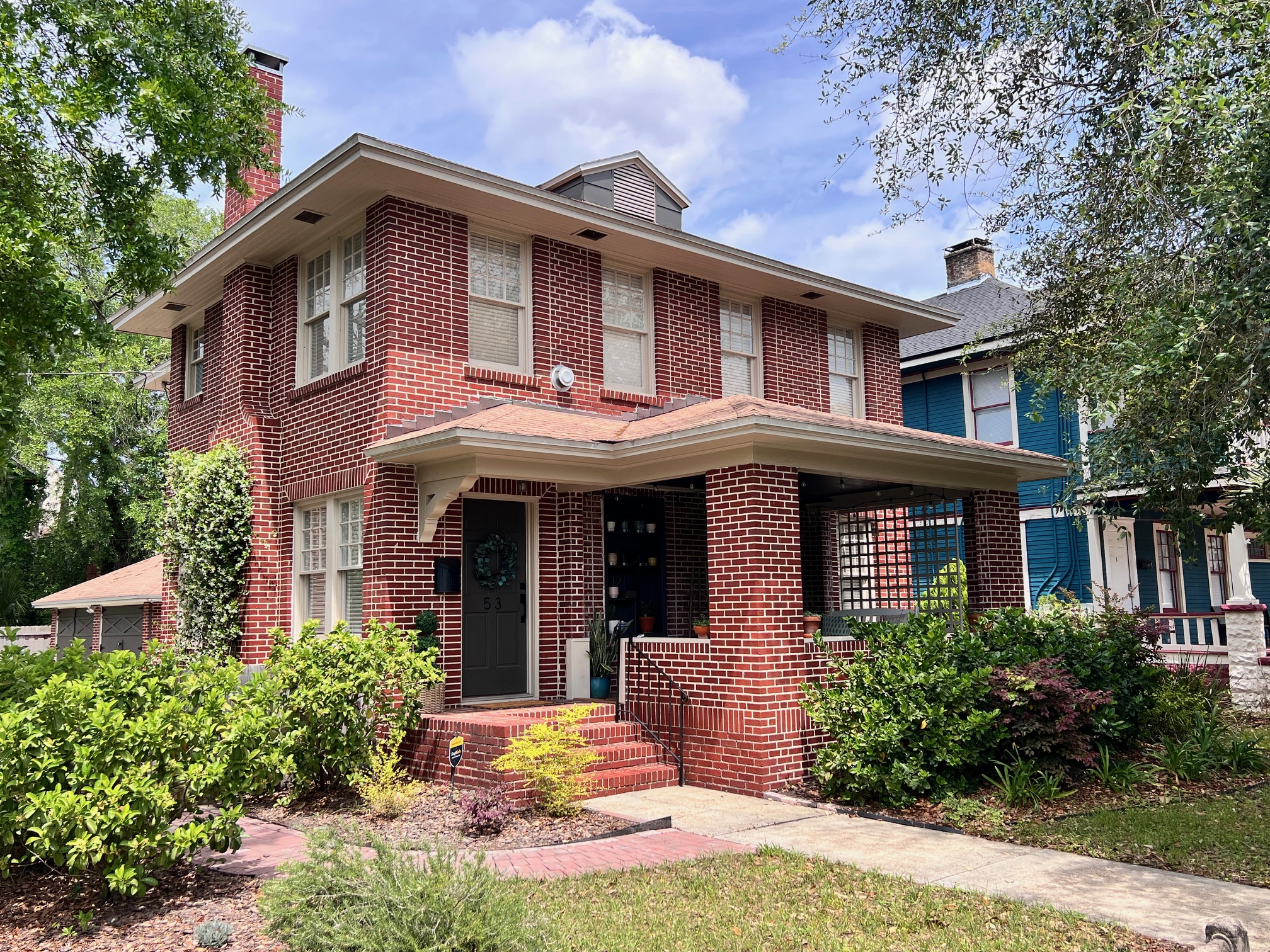
When the couple who owned 53 W 10th decided to sell, it wasn’t part of the plan. A job transfer in another city made the call for them. It was the first home they’d ever sold – and the first one they’d ever made fully their own.
They wanted someone who understood what that meant. And someone who understood Springfield. Not just the market, but the houses themselves – what they’re made of, what makes them tick, and how to tell that story to the right buyer.
Twenty-eight days after it hit the market, it was sold. Here’s how it happened.
Why They Chose Me
They didn’t want their home treated like one more address on a spreadsheet. This was a place they’d cared for. They wanted that to come through.
I’ve been working in Springfield since 2003. I know what these homes are built from, what makes each block different, and what buyers here actually pay attention to. That’s the difference between listing a home and telling its story. The sellers felt that in our first conversation, and it’s why they handed me the keys.
A 1935 Brick House in a Neighborhood Full of Older Ones
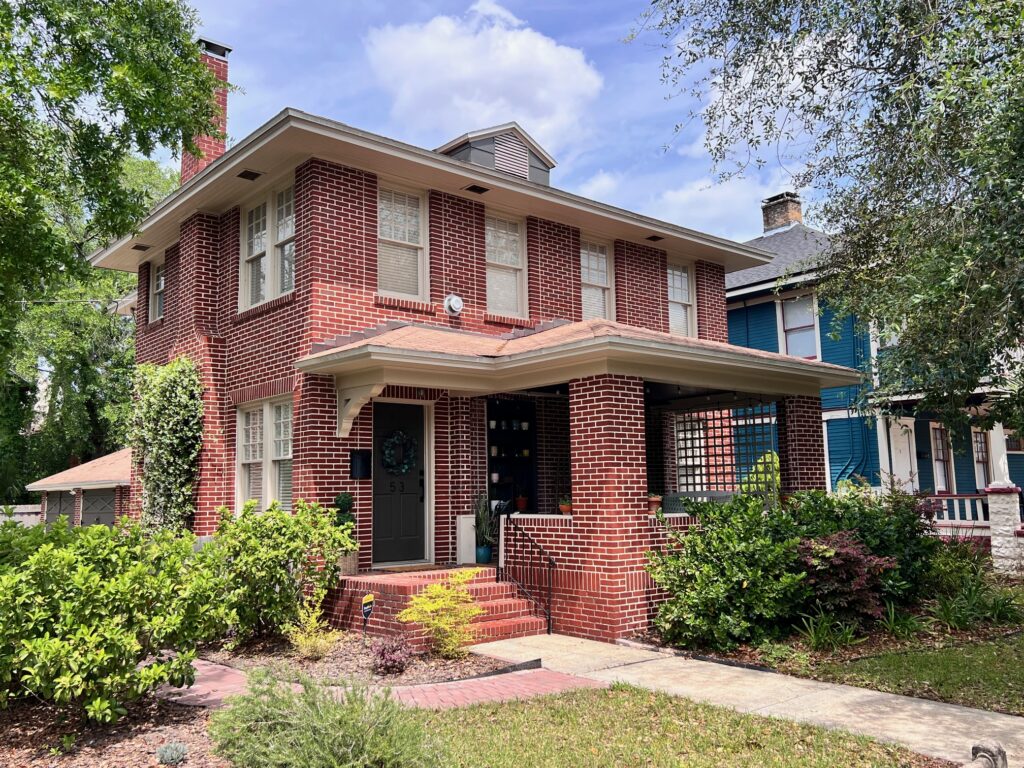
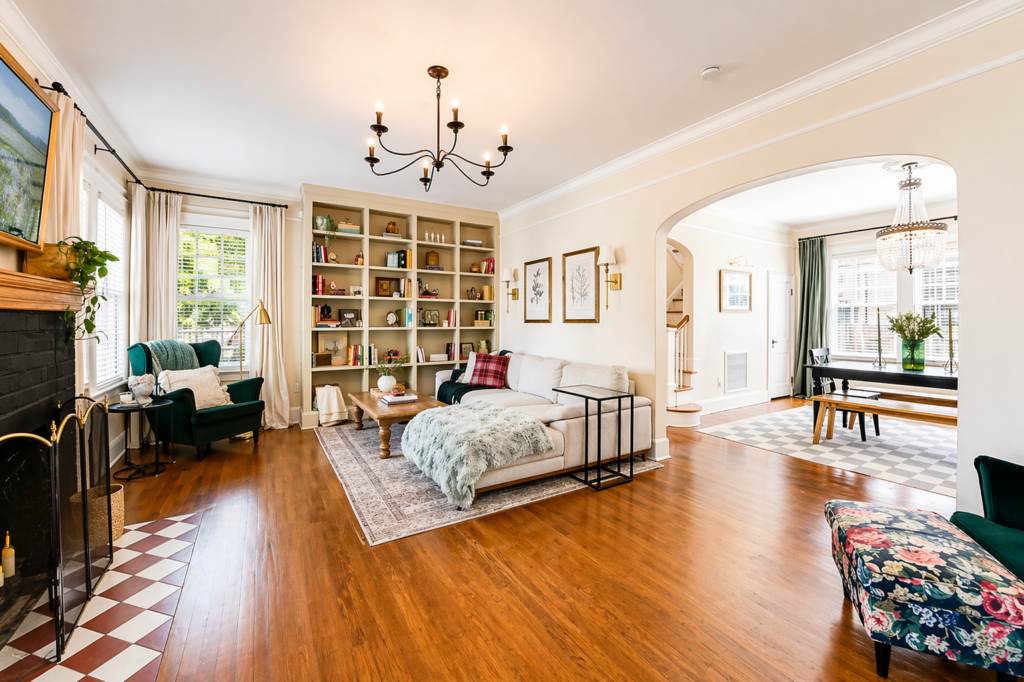
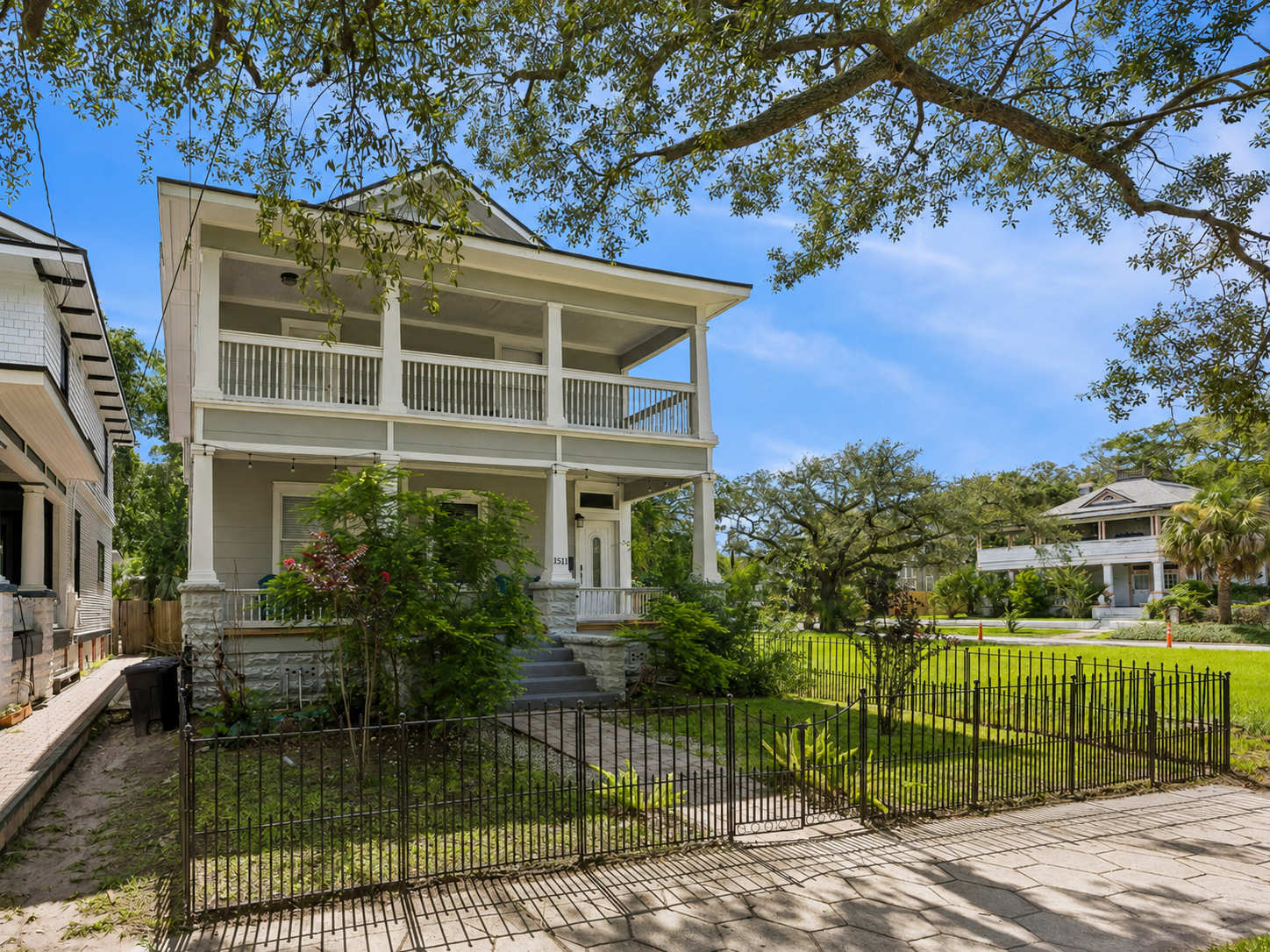
Here’s something most people walk right past. This home was built in 1935, which makes it young by Springfield standards. Most of the neighborhood went up between 1901 and the early 1920s – back when cars were smaller and garages were rare.
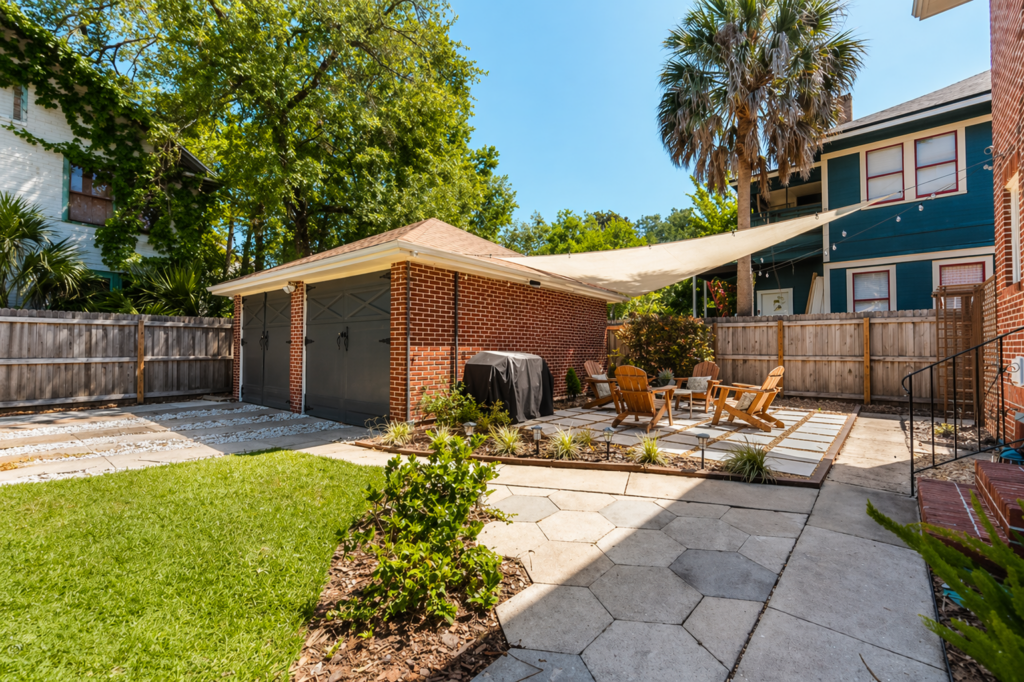
By 1935, that had changed. And this house shows it. The result is one of a small handful of all-brick homes in Springfield, with a detached two-car garage that actually fits two cars. On a street where parking at the curb is the norm, that’s a real find.
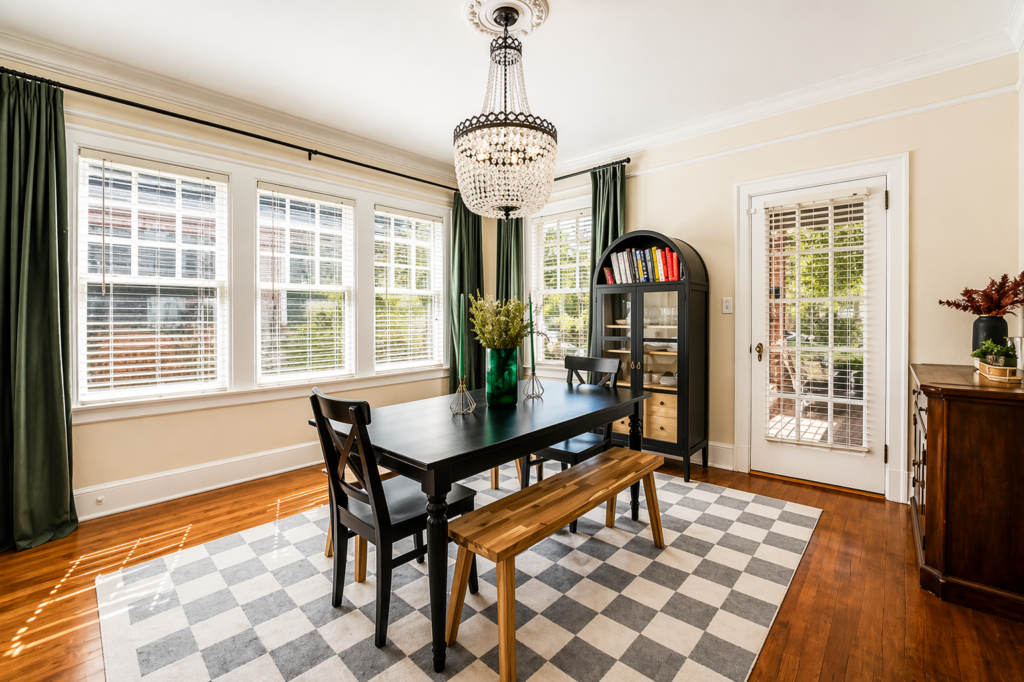
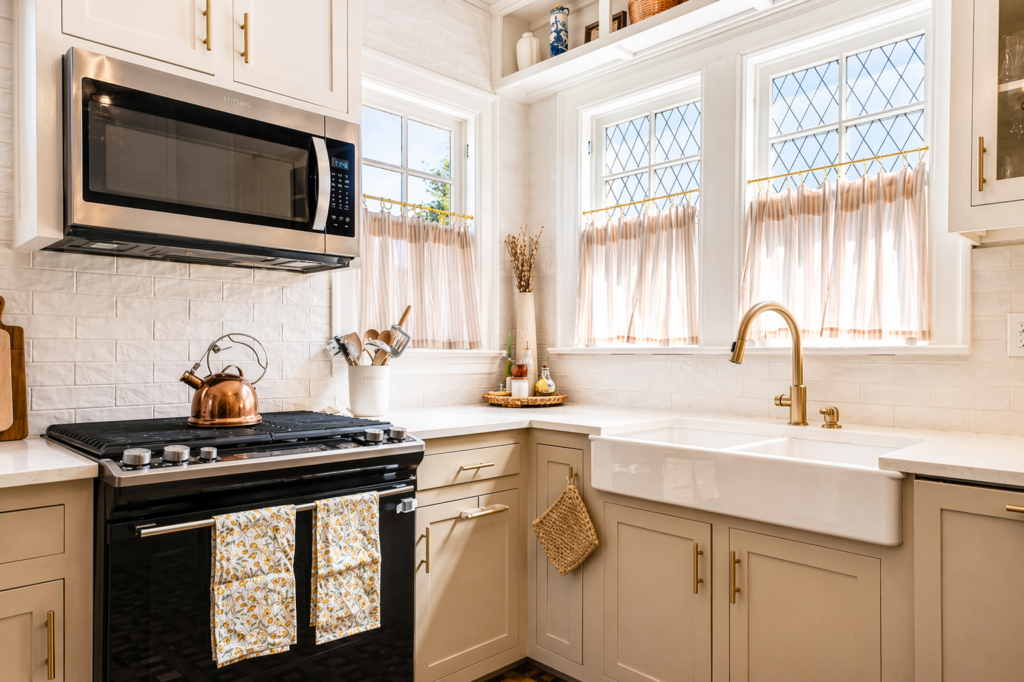
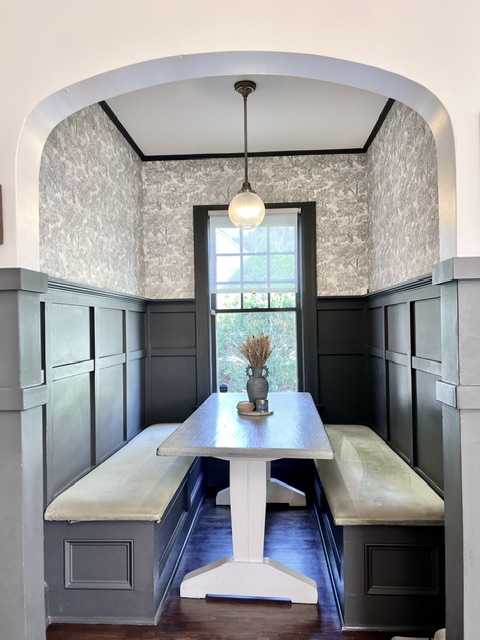
Inside, the original details were intact and done right. Heart of pine floors. A simple brick fireplace. The original geometric tile floor in the kitchen. A built-in bench-seat breakfast nook in the kitchen that stops people mid-tour every single time.
The updates were handled with the same care – a farmhouse sink, gas range, tankless water heater, and newer heating and cooling. None of it erased what made the house worth saving in the first place. That’s the balance a lot of renovations get wrong, and this one got right.
Three bedrooms, two full baths, 1,822 square feet, two stories, steps from Main Street and everything Springfield has going on.
The Features Buyers Kept Coming Back To
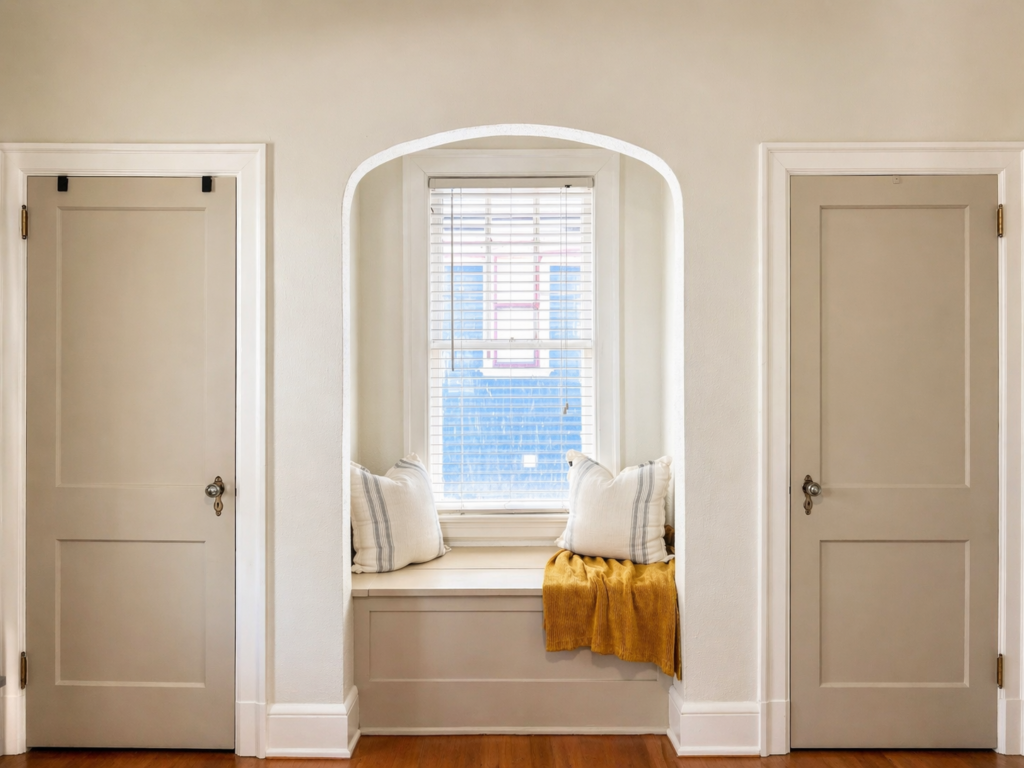
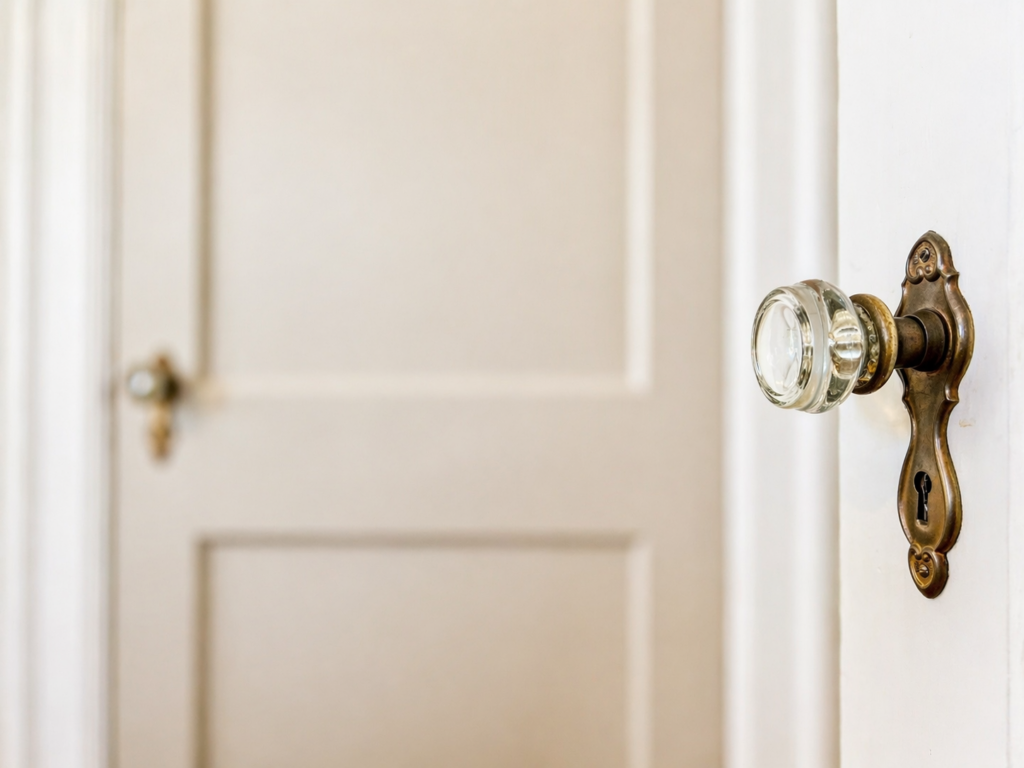
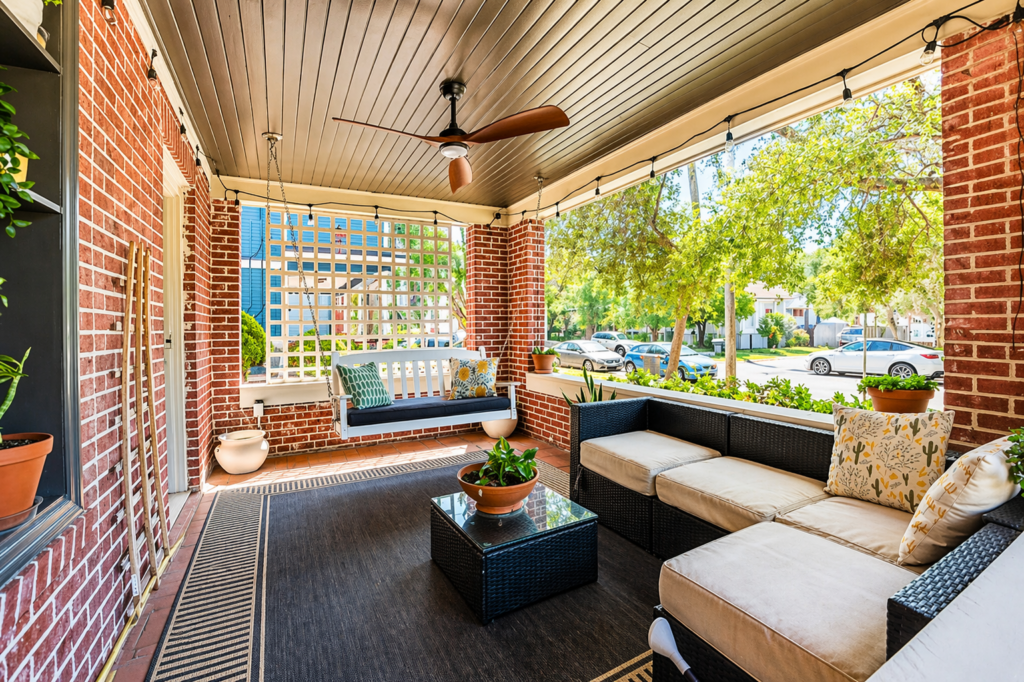
A few things did the heavy lifting. The breakfast nook was the one people lingered in – tucked into its own little arched alcove, with bench seating built right in. The original tile in the kitchen. The glass doorknobs that catch the light. A deep brick front porch made for slow evenings.
And the garage. I can’t say it enough – a usable two-car garage in this neighborhood is rare, and buyers who’ve looked in Springfield for a while know it the second they see it.
How I Marketed It
I won’t lay out my whole playbook here. But the short version is this: marketing a historic home is about showing the right details to the right people – not blasting it everywhere and hoping.
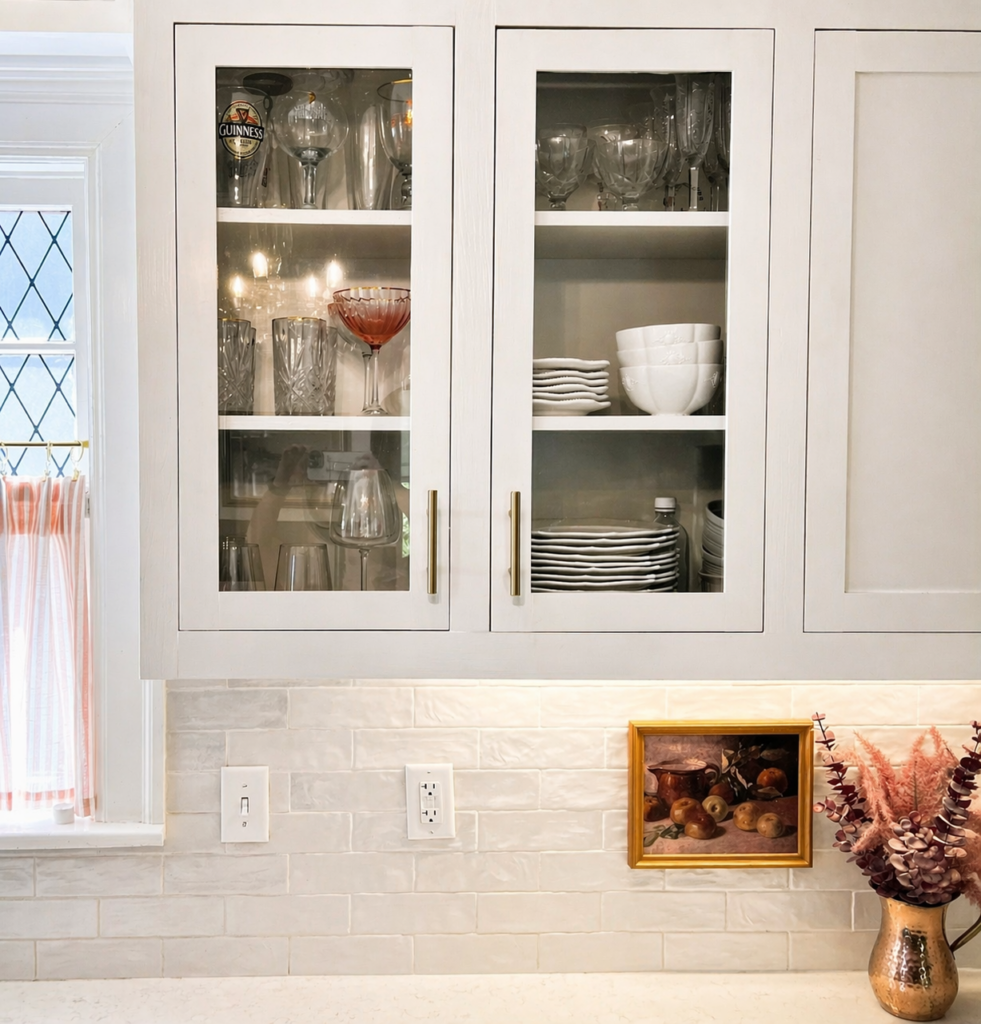
The wide photography was shot by a photographer who actually lives in Springfield and knows how to capture a historic home. The close-up detail shots – the doorknobs, the nooks, the tile, the little things that make this house what it is – those are mine. I know which details matter in a home like this, so I shoot them myself. I ran a twilight open house that drew a strong turnout – real conversations with buyers genuinely interested in the neighborhood, not casual drive-bys. And I put it in front of the audience I’ve spent two decades building here.
In a market where buyers are weighing character against convenience, the details are what close the gap. So that’s what I led with.
A Question That Came Up at Showings
Several visitors asked about the fence – specifically how tall it could be on the street-facing side.
Worth explaining plainly: the Springfield Historic District allows fences up to four feet on the street side, and up to six feet on the side and rear. That applies to every property in the district. It’s a design standard meant to protect the look of the streetscape – not a flaw with this house. Anyone wanting privacy in the back or along the sides of the yard has full six-foot options. For the specifics, the City of Jacksonville’s Historic Preservation staff can walk you through it.
The Pricing Story
This home last sold in 2022 for $425,000. We listed it at $460,000 – a modest bump that reflected both the updates and the current market for well-kept brick homes in Springfield. At $252 a square foot, with a real two-car garage and intact historic details, it was priced to move without leaving money on the table.
Here’s the payoff. It went under contract fast and closed in 28 days – for $24,700 over what the online Zestimate said it was worth.
That’s the part I want sellers to sit with. A computer can run numbers, but it can’t see a built-in banquette or a 1935 brick build or original tile that’s survived 90 years. I price these homes for what they actually are. That’s not selling fast by going low. That’s pricing right the first time because I know this market.
What This One Really Comes Down To
Springfield is a neighborhood where the right buyer exists for almost every house. Finding them takes someone who can tell the story accurately – the brick, the garage, the 1935 build and what it means, the nook nobody wants to leave.
That’s the work. And it’s why sellers who care about their home choose an agent who cares about this neighborhood.
Sorry to see good neighbors go – but glad the next ones are getting a great house.
Thinking about selling your own Springfield home? Don’t trust a computer to tell you what it’s worth. Find out what your home would really sell for – or send me a message and I’ll run a real number for you.