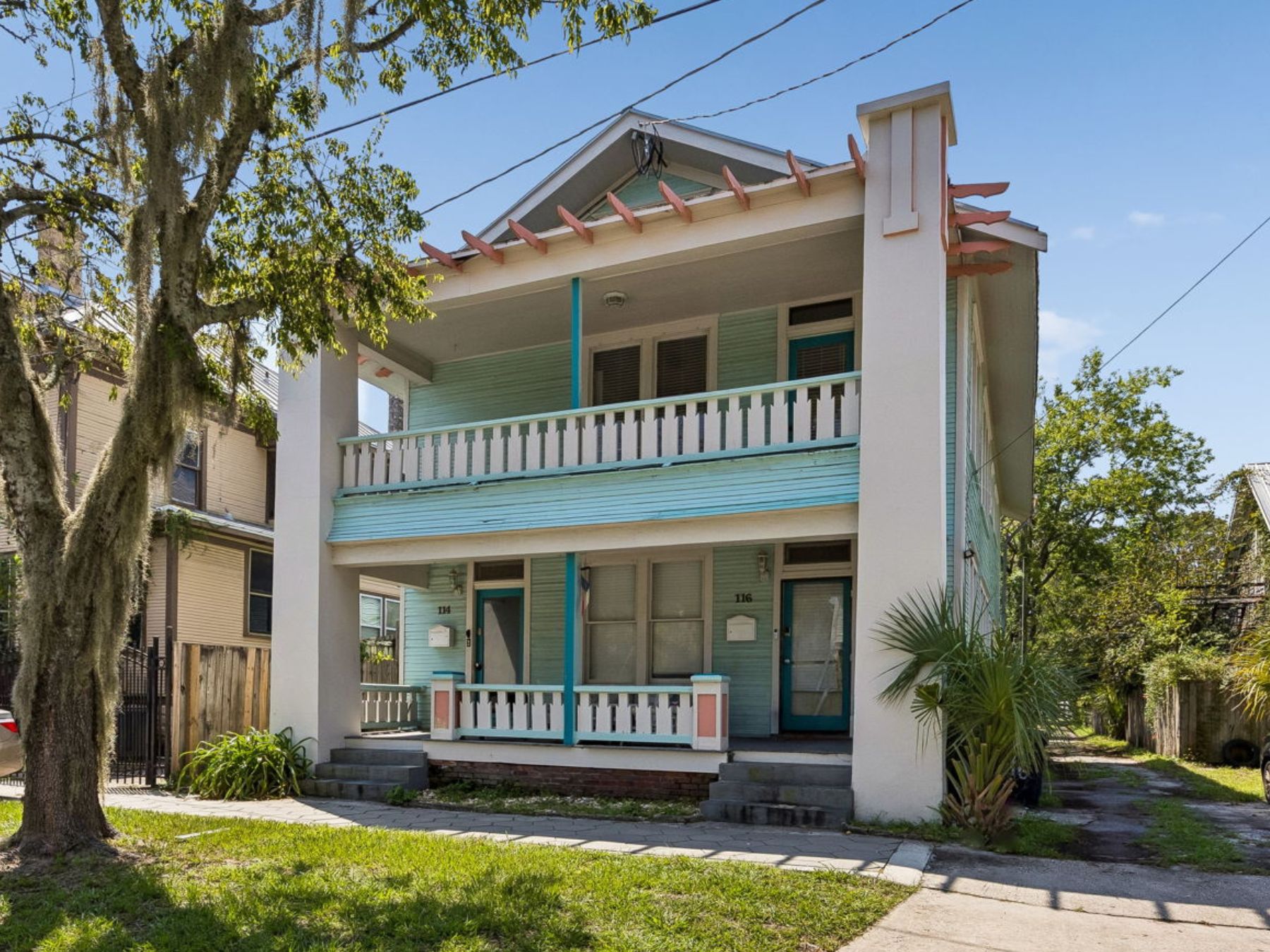


Selling a home is one of the biggest financial decisions most people will ever make. Yet many sellers overlook one of the most powerful tools available to them: home staging. Done well, staging transforms an ordinary house into a space buyers can imagine themselves living in. It drives up perceived value, shortens time on the market, and can lead to significantly higher offers. This guide covers everything you need to know to stage your home like a pro and sell it faster – and for more money.
What Is Home Staging and Why Does It Matter?
Home staging is the process of preparing and presenting your home in the most appealing way possible before listing it for sale. It goes far beyond simply cleaning up or adding a few throw pillows. Staging is a strategic marketing tool that highlights your home’s best features while minimizing its flaws.
Research consistently shows that staged homes sell faster than non-staged homes. The National Association of Realtors has reported that a significant percentage of buyers’ agents say staging makes it easier for buyers to visualize a property as their future home. When buyers can emotionally connect with a space, they are more likely to make offers – and stronger ones at that.
The goal of staging is simple: help buyers fall in love before they even walk through the door.
Start From the Outside: Curb Appeal Is Everything
First impressions are formed in seconds. Before a potential buyer ever steps inside your home, they are already making judgments based on what they see from the street. This is why curb appeal should be your very first priority.
Start by evaluating your home’s exterior honestly. Is the lawn mowed and edged? Are the flower beds clean? Is the front door inviting? Simple updates like fresh mulch, trimmed hedges, potted plants by the entrance, and a new doormat can completely transform the way a home looks from the outside.
Do not neglect the driveway, walkway, and mailbox. Pressure wash concrete surfaces if they look grimy. Repaint or replace a faded front door. Consider adding outdoor lighting to boost evening appeal. These small investments yield big returns when buyers arrive for showings.
Declutter First, Decorate Second
One of the most common mistakes sellers make is skipping the decluttering phase and jumping straight to decoration. This approach rarely works. A room packed with personal items, excess furniture, and visual clutter will look smaller and less appealing no matter how many decorative touches you add.
Begin by removing anything that is not essential to daily living. Pack away personal photographs, collections, excess books, and anything sitting on countertops that does not serve a clear purpose. The goal is to create a sense of open, breathable space in every room.
Once you have decluttered, take a second look at your furniture. In most cases, less is more. Removing one or two large pieces from a living room or bedroom can make the space feel significantly larger. Consider renting a short-term storage unit to hold items you want to keep but do not need during the selling process.
After decluttering comes deep cleaning. Every surface, window, baseboard, and grout line should be spotless. Buyers notice grime, and nothing kills a showing faster than a home that feels dirty.
Neutralize Your Space for Broader Appeal
Your home is a reflection of your personality. That is wonderful for living in it, but it can work against you when trying to sell. Buyers need to be able to picture their own belongings, their own family, and their own life in the space. Strong personal style – bold paint colors, niche décor, or very specific design themes – can make that difficult for many buyers.
Repainting walls in neutral tones is one of the highest-return investments you can make when staging. Shades of warm white, soft greige, and light taupe appeal to the widest range of buyers. They also make spaces feel cleaner, brighter, and more modern.
Replace any linens, towels, and bedding that are worn or heavily patterned. Neutral bedding in the master bedroom, fresh white towels in bathrooms, and simple window treatments throughout will make your home feel like a polished, move-in-ready space.
Focus on the Rooms That Matter Most
Not every room carries the same weight in a buyer’s decision. While the entire home should be presentable, certain spaces have a disproportionate impact on how buyers feel about a property.
The living room is where buyers spend the most time mentally “trying on” a home. Arrange furniture to create a clear focal point – typically the fireplace or a large window – and ensure there is a logical traffic flow through the space. Add a simple area rug, a few pillows, and a tasteful piece of art to warm it up without overwhelming it.
The kitchen is arguably the most important room in the house. Clear all countertops completely, leaving only one or two intentional items such as a bowl of fresh fruit or a sleek coffee maker. Clean or replace cabinet hardware. If the budget allows, consider painting outdated cabinets. Even replacing a faucet can modernize the look of a kitchen significantly.
The master bedroom should feel like a sanctuary. Invest in quality bedding, keep nightstands minimal, and remove any exercise equipment or office furniture that has migrated into the room. The bedroom should communicate rest and luxury, not function.
Bathrooms are examined closely by buyers. Replace any worn caulking, hang fresh white towels, add a simple plant or candle, and ensure every fixture is polished. A clean, spa-like bathroom tells buyers the home has been well cared for. Put away bath and hand soap, shampoo, conditioners, etc. Make it sterile if possible – like a hotel bathroom. No one wants to think about someone else having used it.
Use Light Strategically
Lighting is one of the most underestimated staging tools available. Dark rooms feel smaller, older, and less welcoming. Bright, well-lit spaces feel modern and inviting.
Open every curtain and blind before any showing to maximize natural light. Replace any burned-out bulbs immediately, and consider upgrading to higher-wattage or warm-toned LED bulbs throughout the home. Add lamps to darker corners that do not receive natural light. The investment in lighting is minimal, but the effect on how a space feels is dramatic.
Add Finishing Touches That Create Emotional Connection
Once the heavy lifting is done, the final layer of staging is about creating warmth and lifestyle appeal. Fresh flowers on a kitchen island, a bowl of lemons by the sink, a neatly arranged bookshelf, or a set of matching hangers in an open closet – these details tell a story about what life in this home could look like.
Scent matters too. A home that smells fresh and clean leaves a positive impression. Avoid heavy artificial fragrances, which can feel overwhelming. Instead, open windows when weather allows, use subtle reed diffusers, and ensure any pet odors are fully eliminated before showings.
Professional Staging vs. DIY: What Should You Choose?
Many sellers successfully stage their own homes using the principles outlined above. However, professional stagers bring a trained eye, access to rental furniture and décor, and knowledge of what buyers in your specific market respond to.
If your home is vacant, professional staging is almost always worth the investment. Empty homes photograph poorly, feel cold during showings, and make it harder for buyers to understand how spaces function. A staged vacant home can make a dramatic difference in both online listing photos and in-person impressions.
If your home is occupied, a consultation with a professional stager – even just for a few hours – can give you a prioritized action plan tailored to your specific property. The cost is typically modest, and the return on investment can be significant.
Q&A
Q: How much does it cost to stage a home, and is it worth it?
A: The cost of staging varies widely depending on the size of your home and whether you hire a professional or do it yourself. A professional consultation typically runs between $150 and $300. Full staging services for a vacant home can range from $1,500 to $5,000 or more depending on how long you rent it for and how many rooms you have staged. For DIY staging, the cost is primarily time plus small purchases like paint, bedding, and décor. In most cases, staging more than pays for itself. Staged homes tend to sell faster and at higher prices, meaning the investment typically yields a strong return compared to a price reduction you might need to make on an unstaged home.
Q: Do I need to stage every room in my home?
A: You do not need to achieve perfection in every single room, but you should at minimum ensure that every room is clean, decluttered, and presentable. Prioritize high-impact spaces like the living room, kitchen, master bedroom, and main bathrooms. Secondary bedrooms, laundry rooms, and garages should be tidy and organized but do not require the same level of attention. Any room a buyer walks into will shape their overall impression of the home, so no space should be ignored entirely.
Q: When should I start staging my home?
A: Ideally, you should begin the staging process four to six weeks before your planned listing date. This gives you enough time to declutter, complete any minor repairs, repaint if needed, and make any purchases without feeling rushed. The weeks immediately before listing are best spent on final touches and ensuring the home is photo-ready, since listing photos are often the first thing buyers see and have a major impact on how many showings you receive.