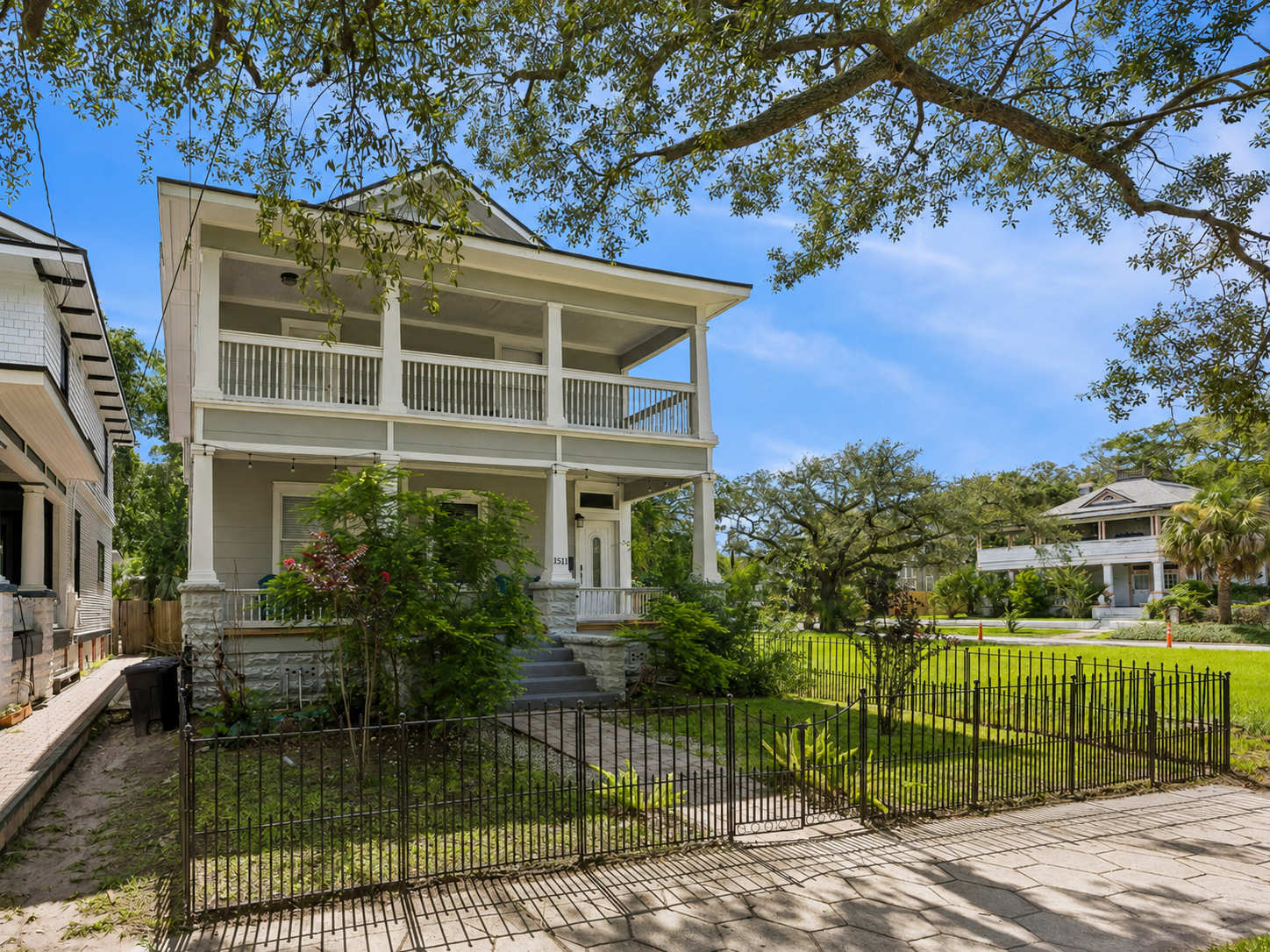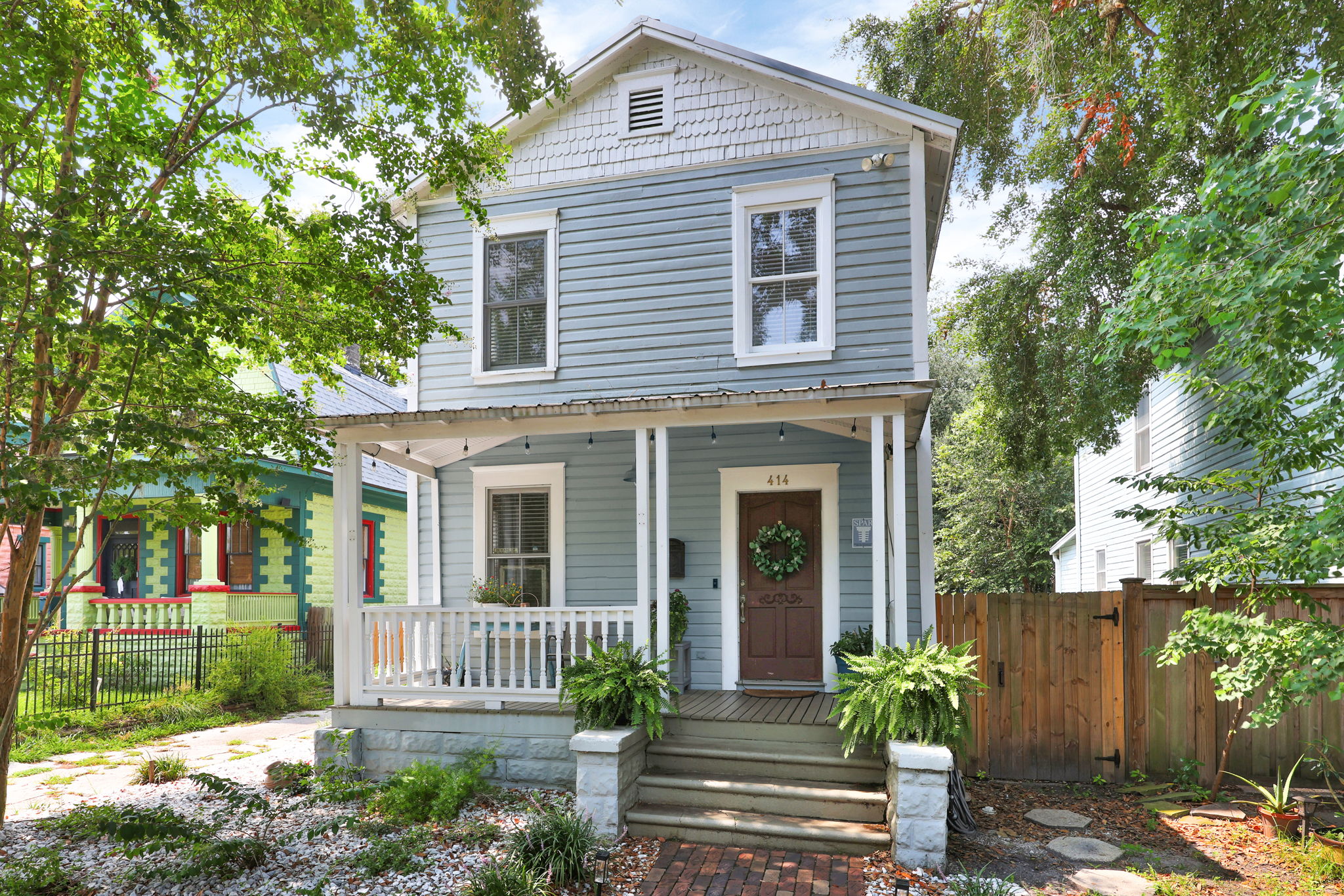

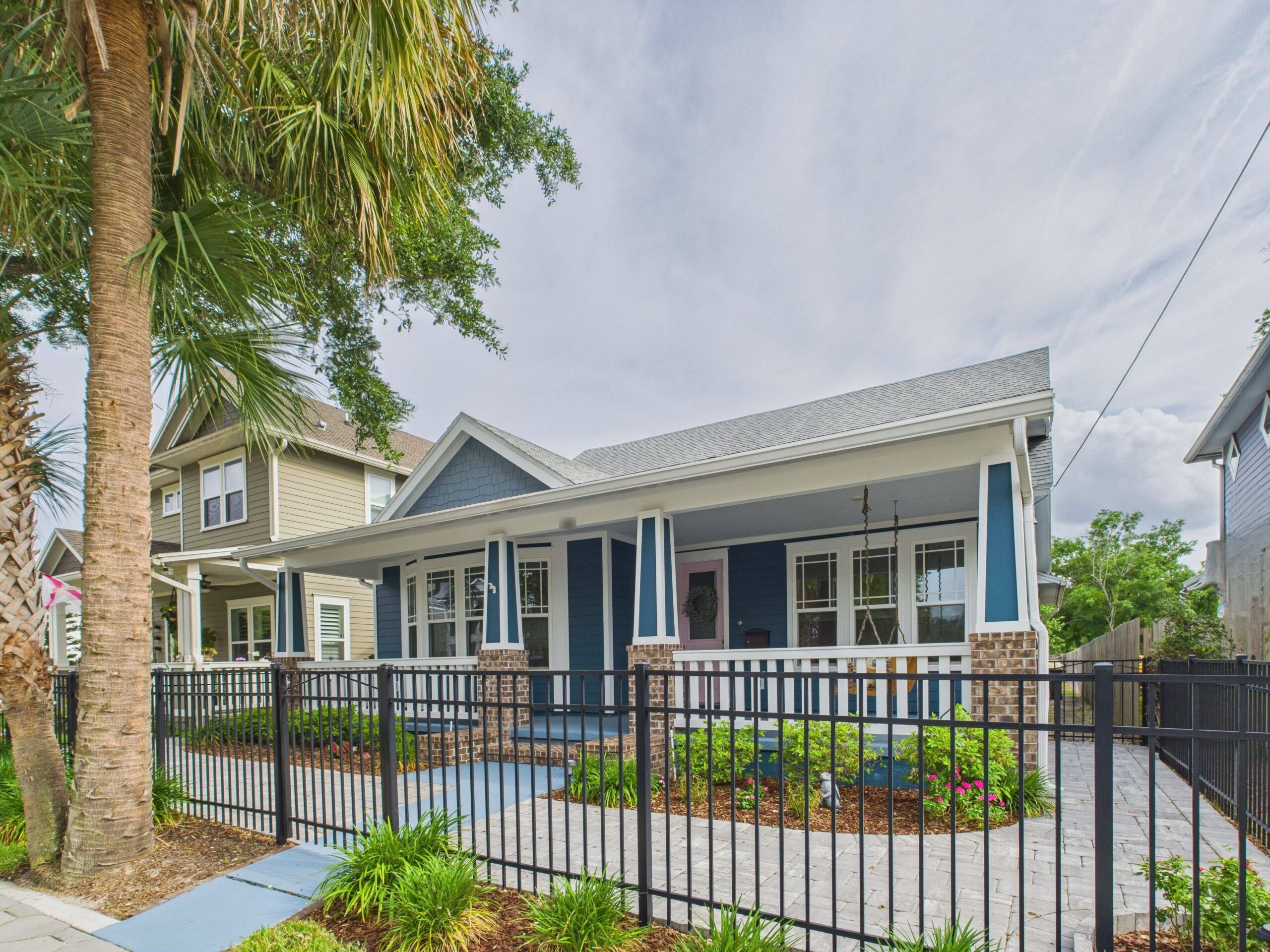
You drive through a brand-new community, see the model home, and think – this looks amazing. Everything is fresh, nothing is broken, no one has lived here before you. It feels like the easy choice.
But here’s the thing: new construction has its own set of rules, fees, and surprises that nobody hands you a brochure for. And if you don’t know what to ask, you might sign a contract thinking your mortgage payment is one number – and then find out it’s a couple hundred dollars higher every single month.
Let’s fix that. Here’s everything you need to know before you buy in a new construction community in Jacksonville.
First – What Is a “Base Price” and Why Does It Almost Never Tell the Whole Story?
When a builder advertises a home starting at $350,000, that number is the base price. Think of it like ordering a car. The sticker price gets you the car – but not the backup camera, the sunroof, or the upgraded trim. You have to add those separately.
In new construction, the base price usually covers the basic structure of the home – the bones, the standard flooring, the entry-level appliances, and a standard lot. That’s it.
Everything else? That’s an upgrade. And upgrades add up fast.
What’s Typically NOT Included in the Base Price:
Premium flooring like hardwood or upgraded tile – expect $5,000 to $20,000+ depending on the home size.
Kitchen upgrades like quartz countertops, soft-close cabinets, or a double oven.
Smart home packages, security systems, or upgraded lighting.
Screened lanais, extended patios, or outdoor living spaces.
The garage door opener (yes – sometimes that’s an upgrade).
Jacksonville-specific example: In communities like Nocatee in Ponte Vedra and RiverTown in St. Johns County, buyers frequently walk out of the design center having added $40,000 to $80,000 in upgrades on top of a base price. The model home you fell in love with? It’s usually maxed out. What you buy won’t look like that unless you pay for it.
My advice: always ask the builder for the “as-built” price of the model home before you start talking upgrades. It’s a reality check that saves a lot of heartbreak.
Lot Premiums – The Fee Nobody Talks About Until You’re Picking Your Lot
Here’s one that catches buyers off guard every single time.
Not all lots in a new community are priced the same. Builders charge extra for lots that are considered more desirable. That extra charge is called a lot premium, and it gets added directly to your home price.
Common Reasons Builders Charge a Lot Premium:
Water or pond views – these can run $10,000 to $50,000+ extra in Jacksonville communities.
Preserve views (backing up to protected trees or greenspace).
Corner lots or cul-de-sac lots with more yard space.
Larger lots in general.
Lots that don’t have a home behind them.
Jacksonville-specific example: In Tributary in Yulee and Beacon Lake in St. Johns, waterfront and preserve-view lot premiums regularly add $20,000 to $45,000 to the final contract price. That’s not a small number – and it rolls directly into your mortgage.
What to do: before you fall in love with a specific lot, ask the sales agent to show you the lot premium map. Most communities have one. Know the total before you emotionally commit.
CDD vs. HOA – These Are Not the Same Thing
This is the one that confuses people the most. Some communities have an HOA, some have a CDD, and some have both. And they work very differently.
HOA – Homeowners Association
An HOA is a private organization that manages the community. You pay dues (usually monthly or annually) and in return, the HOA maintains common areas, enforces community rules, and sometimes provides amenities like a pool or fitness center.
HOA fees in Jacksonville communities typically range from $100 to $600+ per month depending on the amenities and community size. The rules can include things like what color you can paint your house, whether you can park an RV in your driveway, or what kind of fence you can install.
If you don’t pay your HOA dues or break the rules, they can fine you and even place a lien on your property.
CDD – Community Development District
A CDD is different. It’s actually a unit of local government – not a private association. CDDs are set up by developers to finance the infrastructure of a community. Roads, drainage systems, amenity centers, parks – the developer builds all of that, and the cost gets spread out over the homeowners through the CDD fee.
Here’s what makes it tricky: your CDD fee shows up on your property tax bill, not as a separate monthly charge. So when someone shows you an estimated monthly payment, that fee may or may not be included – and many buyers don’t realize it until they see their first tax bill.
Jacksonville-specific example: Nocatee – one of the most popular master-planned communities in the country, located right in Ponte Vedra – has a CDD. Depending on where in Nocatee you buy, your CDD assessment can be $1,500 to $3,500+ per year. That’s on top of your regular property taxes. On a monthly basis, that’s $125 to $290 extra. Not small. Important note: CDD fees are reassessed and can change from year to year, so always verify the current amount directly with the builder or the CDD district before you sign anything. Don’t rely on a number you saw online or heard from a neighbor – confirm it in writing.
CDD vs. HOA – The Short Version:
HOA = private, pays for amenities and rule enforcement, usually monthly fee.
CDD = government district, pays back infrastructure debt, shows up on your tax bill.
Some communities have both. Always ask.
How to Protect Yourself Before You Sign Anything
New construction contracts are written by the builder’s lawyers to protect the builder. That’s not a criticism – it’s just the reality. Here’s what I tell every buyer I work with before they walk into a sales office:
Step 1: Get the full cost breakdown in writing before you commit. Base price, lot premium, upgrades, estimated HOA and/or CDD fees – all of it.
Step 2: Ask for the CDD disclosure document. Builders are required to provide this in Florida. Read it. Or have me help you understand it.
Step 3: Get a real estate agent – one who represents you, not the builder – and bring them with you the very first time you visit the community. This is critical. Most builders require that your agent be registered on your first visit to the sales office in order to pay their commission. If you walk in alone and then try to bring an agent later, the builder may refuse to pay that agent’s fee – which means your agent either can’t help you or you’d have to pay them out of pocket. Don’t let that happen. Having your own agent costs you nothing when you do it right from the start, and it means someone is actually in your corner during the contract process, the upgrade selections, and the closing.
Step 4: Budget for upgrades before you go to the design center. Decide on a number and stick to it. The design center is designed to get you excited. Know your limit going in.
Step 5: Get an independent home inspection – even on new construction. Things get missed. It happens. Don’t skip this.
Q&A: Real Questions Buyers Ask Me
Q: Can I negotiate with a builder the same way I would with a regular home seller?
Yes and no. Builders rarely budge on the purchase price because it affects comps in the community. But they will often negotiate on upgrades, closing cost contributions, or financing incentives – especially if you use their preferred lender. The end of a quarter or fiscal year is often when they’re most motivated to deal.
Q: If I buy in a CDD community, does that fee ever go away?
Eventually, yes. CDDs are set up with a repayment schedule – usually 20 to 30 years. Once the debt is paid off, the CDD fee either disappears or drops significantly. But you likely won’t be in that home long enough for it to matter, so plan to pay it for as long as you own the home.
Q: I saw a new construction home listed on the MLS. Is that different from buying directly from the builder?
It could be. Sometimes builders list unsold inventory on the MLS. Sometimes it’s a homeowner selling a home they never moved into. Either way, the process is similar – but you’ll want to check whether the builder’s warranty transfers, what the CDD balance is, and whether there are any community restrictions on resale timing.
Q: Do I really need my own agent for new construction?
Yes. The sales agent in that model home is employed by the builder. They’re professional, they’re friendly, and they are not on your side. Having your own agent doesn’t cost you anything extra – the builder pays the commission. But it means someone is actually looking out for you during the contract process, the upgrade selections, and the closing.
Q: How do I find out what the HOA rules are before I buy?
Ask for the CC&Rs – that stands for Covenants, Conditions, and Restrictions. It’s the rulebook for the community. You’re entitled to a copy before you sign. Read the sections on rentals, pets, exterior modifications, and parking. Those are the areas where buyers are most often surprised after they move in.
Ready to Make a Smart Move in Jacksonville?
New construction can be a great choice – but only if you go in with your eyes open. The base price is just the starting point. The lot premium, the upgrades, the CDD, the HOA – all of that adds up. And if you don’t have someone helping you run those numbers before you sign, you might find yourself in a home you love with a payment you didn’t expect.
I help buyers in Jacksonville understand exactly what they’re getting into before they commit. No pressure, no sales pitch – just a clear picture of what the numbers actually look like.
Let’s talk before you set foot in that model home. Reach out and let’s build a plan that works for your budget and your goals.
Amanda Searle | Broker Associate | Cowford Realty & Design
Serving Jacksonville, Ponte Vedra, St. Johns County, and surrounding areas.