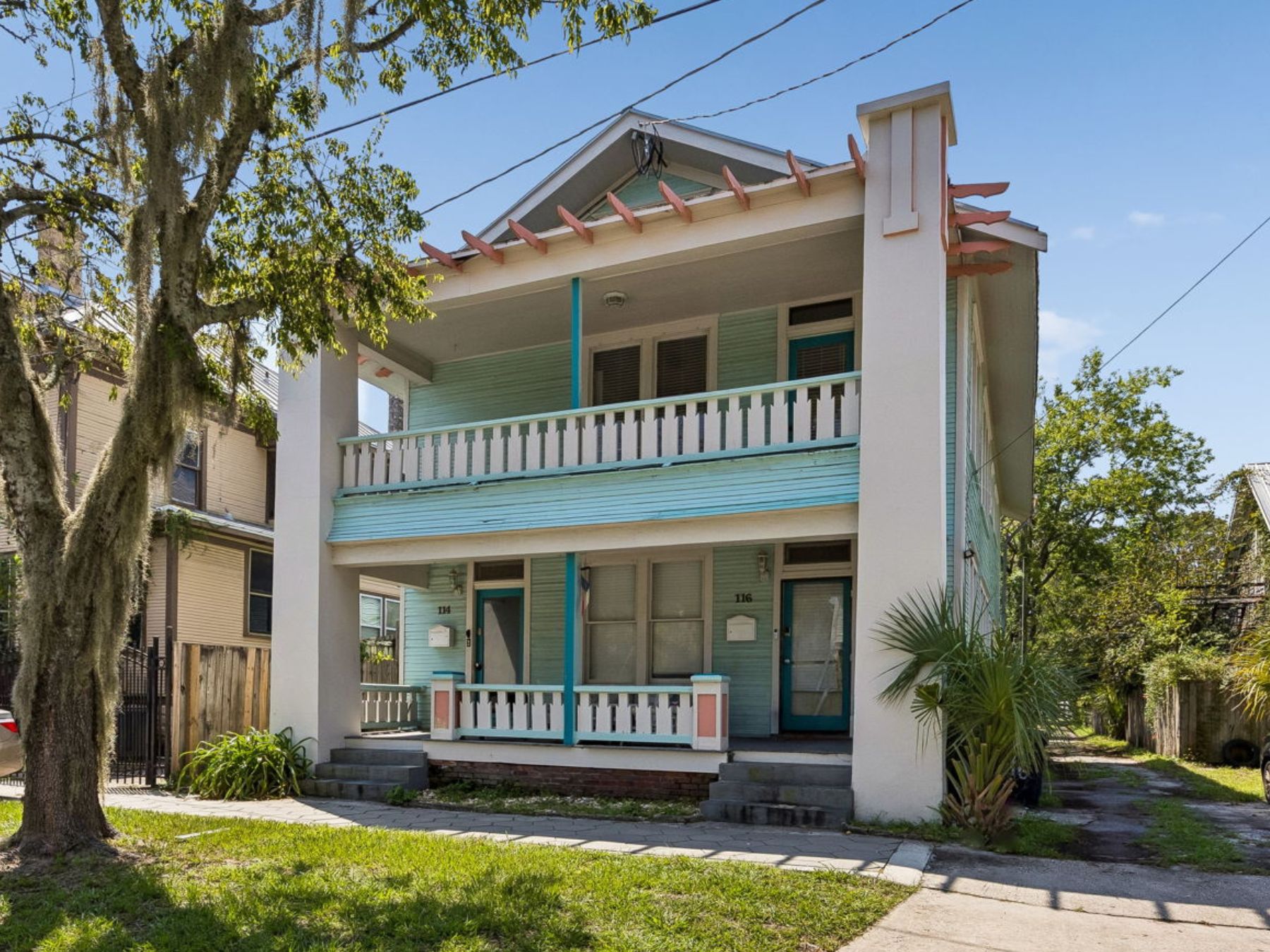


The Jacksonville housing market doesn’t operate in a vacuum. Whether you’re thinking about selling your historic Riverside bungalow, buying that house you’ve always dreamed about at the beach, or buying your first home in Murray Hill, understanding the right market indicators gives you a serious advantage.
Here’s the thing: most people wait until the “perfect time” to make a move. But smart homeowners? They’re tracking real data that helps them act with confidence – not emotion.
Let me walk you through the five market indicators that actually matter in Jacksonville right now, and more importantly, show you how to use them to make better decisions about your home.
1. Days on Market (DOM): The Truth About Timing
Days on Market tells you how long homes are sitting before they sell. In Jacksonville, this number varies wildly by neighborhood and price point – and that’s exactly why you need to pay attention.
What the Numbers Mean
As of late 2025, Jacksonville’s average DOM hovers around 35-45 days across most neighborhoods. But here’s where it gets interesting:
- Under 30 days = seller’s market (expect competition and potential bidding wars)
- 30-60 days = balanced market (good opportunities for both buyers and sellers)
- Over 60 days = buyer’s market (more negotiating power, sellers more motivated)
Historic homes in neighborhoods like Riverside-Avondale or Springfield often sit longer – not because they’re undesirable, but because they attract a specific buyer. Don’t panic if your 1920s Craftsman isn’t moving in two weeks. It’s the same thing for more expensive homes. The Buyer pool who can afford them is smaller so they may sit on the market longer.
How to Use This Information
If you’re selling: A low DOM in your neighborhood means you can be more aggressive with pricing. A high DOM means you need to price competitively from day one.
If you’re buying: High DOM gives you negotiating leverage. Low DOM means you need to move fast and come in strong.
2. Inventory Levels: Supply Meets Demand
Inventory is simple: how many homes are currently for sale? This number directly impacts your buying or selling power.
The Jacksonville Reality
Jacksonville has seen inventory gradually increase through 2024 and into 2025, though we’re still below the long-term historical average. More choices for buyers means sellers need to be sharper with their strategy.
Track inventory by:
- Your specific neighborhood (citywide numbers don’t tell the whole story)
- Your price range (luxury inventory behaves differently than starter homes)
- Months of supply (less than 5 months = seller’s market, more than 6 months = buyer’s market)
Why This Matters Now
Rising inventory in 2026 means buyers have more options. That’s good news if you’re shopping, but if you’re selling, it means your home needs to stand out. No shortcuts on presentation, pricing, or marketing.
3. Price Per Square Foot: The Great Equalizer
Price per square foot lets you compare homes apples-to-apples, even when they’re different sizes. In Jacksonville’s diverse housing market – from compact beach cottages to sprawling Ponte Vedra estates – this metric is invaluable.
Jacksonville Benchmarks
As of late 2025, here’s what you’re looking at across different areas:
- Beaches (Neptune, Atlantic, Jacksonville Beach): $225-$350/sq ft
- Historic neighborhoods (Riverside, Avondale, San Marco): $175-$275/sq ft
- Southside/Mandarin: $150-$225/sq ft
- Westside/Arlington: $125-$180/sq ft
How to Apply This
Calculate it for every home you consider buying or selling. If a home is significantly above the neighborhood average per square foot, there better be a good reason (major updates, premium lot, exceptional condition). If it’s below average, dig into why.
For historic homes: account for architectural details, original features, and updates. A 1925 Mediterranean Revival with original trim and fireplaces isn’t comparable to a generic 2015 infill builder home, even at the same price per square foot.
4. Absorption Rate: How Fast Homes Are Selling
Absorption rate measures how quickly the current inventory would sell at the current pace of sales. It’s expressed in months and gives you the clearest picture of market momentum.
Reading the Rate
Calculate absorption rate by dividing current inventory by average monthly sales. Here’s what the numbers tell you:
- 0-3 months = hot seller’s market (homes flying off the market)
- 4-6 months = balanced market (normal conditions)
- 7+ months = buyer’s market (plenty of options, more negotiating room)
Jacksonville’s 2026 Trend
Most Jacksonville neighborhoods are running between 4-7 months of inventory as we head into 2026. This means we’re in relatively balanced territory – neither extreme seller’s nor buyer’s market. That’s actually great news for making strategic moves without getting caught in emotional decision-making.
5. List-to-Sale Price Ratio: What Homes Actually Sell For
This ratio shows the relationship between asking prices and final sale prices. It’s one of the most honest indicators of market conditions because it cuts through all the listing hype.
Decoding the Ratio
Jacksonville’s list-to-sale ratio currently sits around 97-99% depending on neighborhood and price point. Here’s what to watch for:
- Above 100% = homes selling over asking (multiple offers, strong demand)
- 98-100% = asking price is generally fair market value
- Below 97% = sellers accepting significant reductions (room for negotiation)
Strategic Application
For sellers: If the ratio in your neighborhood is 95%, don’t list at the absolute top of your hoped-for range. Price it where you can actually defend the value and still net what you need.
For buyers: This ratio tells you how much negotiating room exists. In neighborhoods where homes are selling at 99% of asking, offering 90% isn’t strategic – it’s insulting.
Frequently Asked Questions
How often should I check these market indicators?
If you’re actively buying or selling, check monthly. If you’re just keeping tabs on the market for future planning, quarterly is fine. Real estate markets don’t shift overnight – you’re looking for trends over several months.
Do these indicators work for every Jacksonville neighborhood?
The principles apply everywhere, but the specific numbers vary dramatically. Springfield and Ponte Vedra are different markets entirely. Always analyze indicators for your specific neighborhood and price range.
What if the indicators are sending mixed signals?
That’s actually normal. Real estate markets are messy. Look for the overall trend across multiple indicators rather than obsessing over one metric. And when in doubt, work with someone who analyzes this data daily.
Can I find this data myself?
Some of it, yes. Public listing sites show days on market and some pricing data. But the most accurate, neighborhood-specific data comes from the MLS, which requires a licensed real estate professional to access and interpret correctly.
Which indicator matters most?
None of them work in isolation. Days on market might be low, but if inventory is surging, that tells a different story. Look at all five together to get the complete picture of what’s really happening in your market.
Making Your Move in 2026
The Jacksonville market in 2026 isn’t about waiting for perfect conditions – because they never exist. It’s about understanding the real data, knowing what it means for your specific situation, and acting with confidence.
These five indicators give you the framework to make smart decisions. Track them. Understand them. Use them.
Whether you’re thinking about selling your historic Avondale home or buying in Mandarin, having this data in your corner means you’re not guessing – you’re strategizing.
Ready to dive deeper into the Jacksonville market? Join my “Jacksonville Market Forecast 2026: What Buyers & Sellers Need to Know” webinar on February 4, 2026 at 12:00PM EST where we’ll analyze the latest data and what it means for your specific neighborhood. Register here.