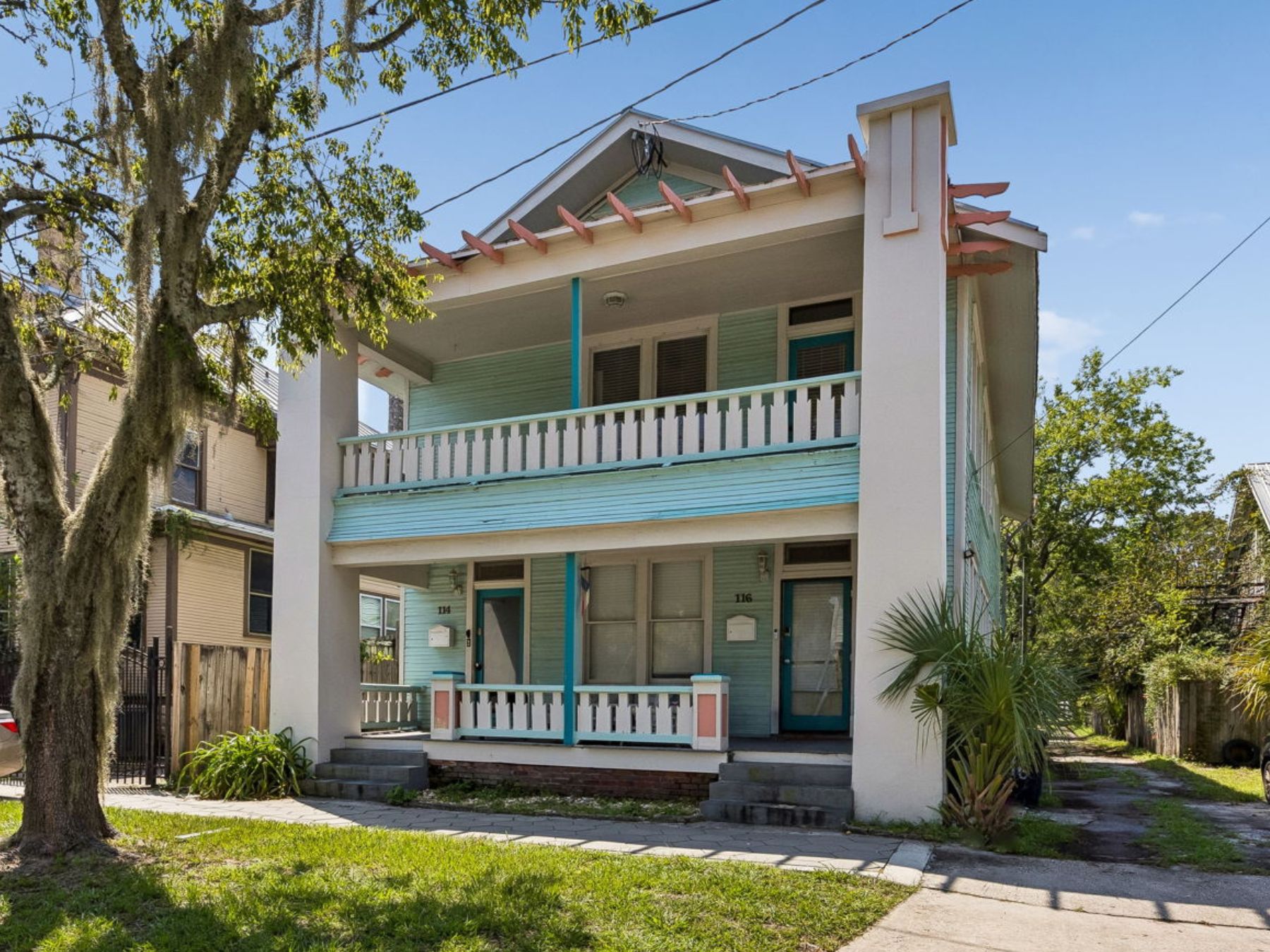


People are drawn to San Marco for a reason, but most of them can’t explain it right away. They’ll say it’s charming. Walkable. Close to everything. And yes, all of that is true. But that’s not really the thing that makes it stick. San Marco feels established in a way that a lot of neighborhoods don’t. It’s not trying to become something. It already is something. You see it in how the homes are maintained, how people use the neighborhood, and how it holds its value over time. You’ll see people walking to dinner, sitting outside at restaurants on a weeknight, running into the same faces over and over again. It has a rhythm to it that feels easy once you’re in it.
And once that clicks, it’s hard to replicate somewhere else.
It Starts With the Square, But It Doesn’t End There
Most people’s experience of San Marco starts with the Square. Restaurants, coffee shops, wine bars, the local bookshop. It’s one of the few places in Jacksonville where you can park your car and actually walk somewhere with a purpose.
But here’s where people get it slightly wrong. They assume living in San Marco automatically means living that walkable lifestyle every day. That depends entirely on where you are. If you’re a few blocks from the Square, it becomes part of your routine. You walk there without thinking about it. If you’re further out, you still go, but it’s more intentional. You’re driving, deciding where to park, planning it out a little more.
Neither is better. It just creates a different experience of the same neighborhood.
The Homes Are a Big Part of the Appeal
The homes in San Marco are a big reason people want to live there.
This is not a neighborhood people choose because they are looking for a bargain or because they are comfortable overlooking what is around them. San Marco has a more polished, established feel. It is one of the pricier historic areas in Jacksonville, and people are paying for that.
A lot of the appeal comes from the architecture and the overall presentation of the neighborhood. San Marco is especially known for its Mediterranean Revival influence, along with other well-kept older homes that feel substantial, classic, and established. The streetscape matters here. The landscaping matters. The condition of surrounding homes matters. Buyers are often drawn to San Marco because they want character, but they also want a neighborhood that feels cared for.
That does not mean ownership is simple.
These are older homes, and older homes require maintenance. That is a very different conversation from renovation or deterioration. In San Marco, the issue usually is not whether a home is surrounded by rundown properties or whether the neighborhood feels neglected. It doesn’t. The issue is whether a buyer understands what it costs to properly maintain an older home over time.
That can mean higher upkeep for things like roofing, woodwork, windows, drainage, masonry, and systems that may have been updated at different points over the years. So when someone buys in San Marco, they need to be able to afford more than just the purchase price. They need to be comfortable with the ongoing responsibility that comes with owning a beautiful older home in a neighborhood where standards are high.
That is part of what keeps San Marco feeling the way it does.
Sewer vs Septic Is Still Something You Have to Check
This surprises people. San Marco feels central, established, and fully built out. Most assume everything is on city sewer. That’s not always the case. Some homes are on city sewer. Some are still on septic. And it’s not always obvious just from looking at the property. So this is one of those things we check early, because it affects:
– Maintenance and long-term upkeep
– Future resale conversations
– In some cases, financing and insurance
It’s not a problem. It’s just something you want clarity on before you move forward.
Waterfront Is an Option, But It’s a Different Tier
San Marco does offer waterfront living, and it’s some of the most desirable in Jacksonville. Homes along the St. Johns River or on the canals have a completely different feel. Larger lots in some cases, open views, and a level of privacy you don’t get in the interior parts of the neighborhood. But you are going to pay for it. San Marco is already one of the more expensive historic areas in Jacksonville, and waterfront properties sit at the top of that pricing.
Along with price, you’re also looking at:
– Higher insurance costs
– Flood considerations
– Maintenance that comes with being on or near the water
So it’s less of a casual upgrade and more of a different category of ownership.
It’s Not a Historic District, and That Matters
This is something a lot of buyers don’t realize until they’re deep into the process. San Marco has historic homes, but it is not a designated historic district with city oversight.
That means:
– No historic preservation board approvals
– No strict exterior restrictions
– More flexibility if you want to make changes to a property
For some people, that’s a big advantage. They want the character without having to go through a review process every time they update something. For others, it’s a trade-off. There’s less control over what neighboring properties might do over time. Again, it’s not good or bad. It’s just part of understanding the neighborhood.
You’re Paying for More Than Just the House
San Marco pricing reflects more than square footage.
You’re paying for:
– Location
– A finished, established neighborhood
– Architecture and curb appeal
– Lifestyle
And pricing can shift quickly depending on:
– Proximity to the Square
– Level of updates
– Lot size and street presence
– Whether there’s water access
People sometimes come in thinking they’ll find a deal because the homes are older. That’s not really how this neighborhood works. Value here is tied to consistency, demand, and how the neighborhood presents as a whole.
Flood Zones and Insurance Are Part of the Reality
This is one of the more practical parts of the conversation, but it matters. Flood zones can change street by street in San Marco. And insurance, in general, is something that needs to be looked at early in Florida right now. Not after you fall in love with a house. Not after you’re under contract. Early. Because it can impact your monthly cost enough to change what makes sense.
You’re Always Making a Trade, Even Here
Even in a neighborhood like San Marco, there are trade-offs.
You might get:
– A prime location, but less square footage
– A beautiful home, but higher ongoing maintenance
– Walkability, but tighter streets and limited parking
There isn’t usually a version where everything lines up perfectly. So the question becomes, what matters most to you? Once you answer that, the decision gets a lot clearer.
Who Ends Up Loving It Here
San Marco works for people who care about how a place feels, not just how it functions.
It tends to be a good fit for buyers who:
– Appreciate architecture and design
– Want a central location
– Value a neighborhood that feels established and maintained
– Are comfortable maintaining an older home at a higher standard
What I see a lot is people who didn’t originally plan on buying in San Marco, but once they spend time there, something clicks. And then it’s hard to pull them out of it.
And Who Usually Doesn’t
It’s not the right fit for everyone.
If you’re looking for:
– New construction with minimal upkeep
– Maximum square footage for your budget
– A more suburban feel with wider streets and predictability
You’ll probably feel some friction here. And it’s better to recognize that early than try to make it work.
The Day-to-Day Is What Makes the Decision
At some point, this stops being about features and starts being about your actual life.
Living in San Marco looks like:
– Walking to dinner on a random weeknight
– Recognizing the same people at your coffee spot
– Living in a home that has presence and history, but also responsibility
People think they’re choosing a house here. They’re not. They’re choosing how they want their day-to-day life to feel. Once that part is clear, everything else tends to fall into place.