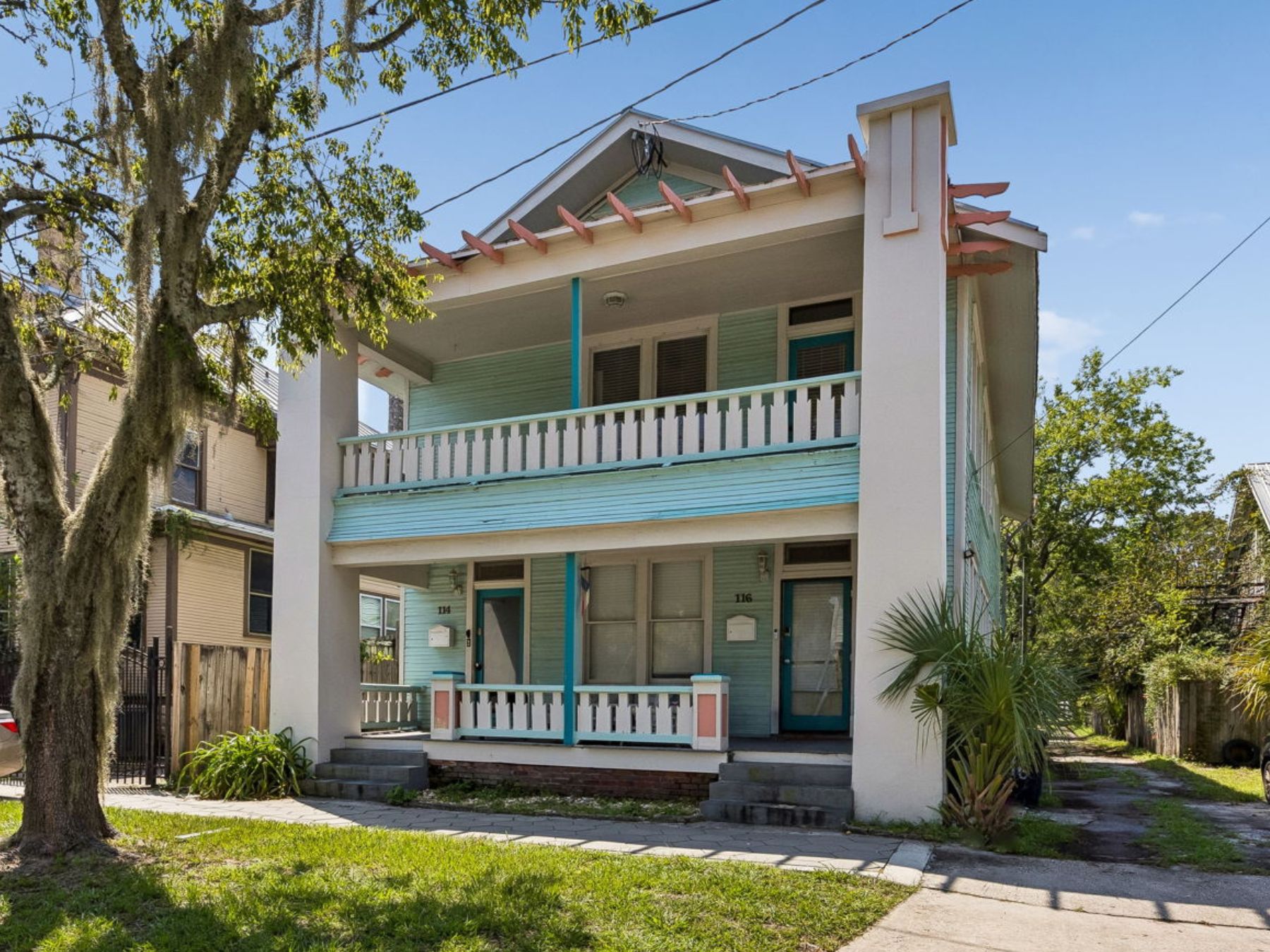

Buying an older home in Jacksonville is one of those decisions that rewards patience and curiosity. Walk through the right neighborhood – Springfield, Riverside, Avondale, Murray Hill, San Marco – and you’ll find things that newer construction simply can’t replicate: deep front porches built for actual use, hardwood floors that have been walked on for a century, plaster walls with real substance, and architectural details that reflect genuine craftsmanship. These homes have character because they were built in an era when character wasn’t an afterthought.
But older homes also come with a different set of considerations at the inspection stage. Buyers who approach a 1920s bungalow the same way they’d approach a 2019 build are setting themselves up for confusion – and potentially for walking away from a perfectly good home over findings that are completely normal. Understanding what inspections to prioritize, and how to interpret what they reveal, is one of the most valuable things a buyer can do before closing on a historic Jacksonville property.
Start With the General Inspection – But Adjust Your Expectations
Every home purchase should begin with a general home inspection, and older homes are no exception. A qualified inspector will walk through the roof, HVAC systems, electrical, plumbing, foundation, and structural elements, then provide a written report of findings. For a newer home, buyers often hope for a clean bill of health. For a home built in the 1940s or earlier, that’s rarely the right frame of reference.
The general inspection for an older home is less about pass or fail and more about building a complete picture of what you’re buying. Systems will be aging. There will be items flagged. The question isn’t whether findings exist – it’s whether they’re expected for the home’s age, and whether the ones that require attention are manageable. A good inspector working in Jacksonville’s historic neighborhoods will know the difference between a cosmetic concern and something that warrants deeper investigation.
Electrical: One of the Most Important Conversations to Have
Electrical systems in Jacksonville’s older homes are one of the first things buyers should understand in detail. Many of these properties were originally wired before modern electrical codes existed, and while updates have often been made over the decades, the work isn’t always consistent or complete.
Inspectors frequently find older panel boxes, outdated wiring types, and grounding issues in homes of this era. None of these findings automatically mean a home is unsafe or uninsurable, but they do carry real implications. Insurance carriers in Florida pay close attention to electrical panels, and certain configurations can complicate coverage or increase premiums. Understanding exactly what you have – and what it would cost to update – is information worth having before you make a final decision.
Plumbing and Sewer: Don’t Skip the Scope
Florida’s older homes present specific plumbing challenges, and Jacksonville’s historic stock is no different. Cast iron drain lines were standard in homes built through much of the 20th century, and while they can last a long time, they’re also susceptible to corrosion and root intrusion over time. Older supply lines come with their own considerations as well.
A sewer scope inspection – where a camera is run through the drain lines to check their condition – is one of the most cost-effective inspections a buyer can add to their due diligence. The information it provides is concrete and actionable. If there’s significant corrosion or blockage, you’ll know before closing. If the lines are in reasonable shape, you’ll have peace of mind. Either way, it’s the kind of targeted information that can save buyers thousands of dollars in unexpected repair costs.
Roofs, Attics, and What’s Hidden Above the Ceiling
The roof and attic together tell an important story in older homes. Attic access – when available and safely navigable – can reveal moisture intrusion, ventilation problems, insulation that’s past its useful life, or signs of previous leaks that may or may not have been properly addressed.
Roof framing in historic Jacksonville homes is also structurally different from the engineered truss systems used in modern construction. Older stick-framed roofs were built by hand with dimensional lumber, and they should be evaluated by someone with experience in historic construction. This doesn’t mean they’re inferior – many are remarkably durable – but a knowledgeable eye matters here.
Foundation and Structure: Understanding What You’re Standing On
Jacksonville’s historic neighborhoods include homes built on a range of foundation types, and pier-and-beam construction is common among older properties. Uneven floors are a frequent finding in homes of this era, and buyers sometimes panic when they encounter them during an inspection. The reality is more nuanced.
Uneven floors in an older home can indicate settling that occurred decades ago and has been completely stable since. They can also indicate an active issue that deserves closer attention. A structural inspection – when the general inspection raises questions – gives buyers the clarity to know which situation they’re dealing with. It’s not about being alarmed. It’s about having the right information.
Wood-Destroying Organisms: A Florida Standard
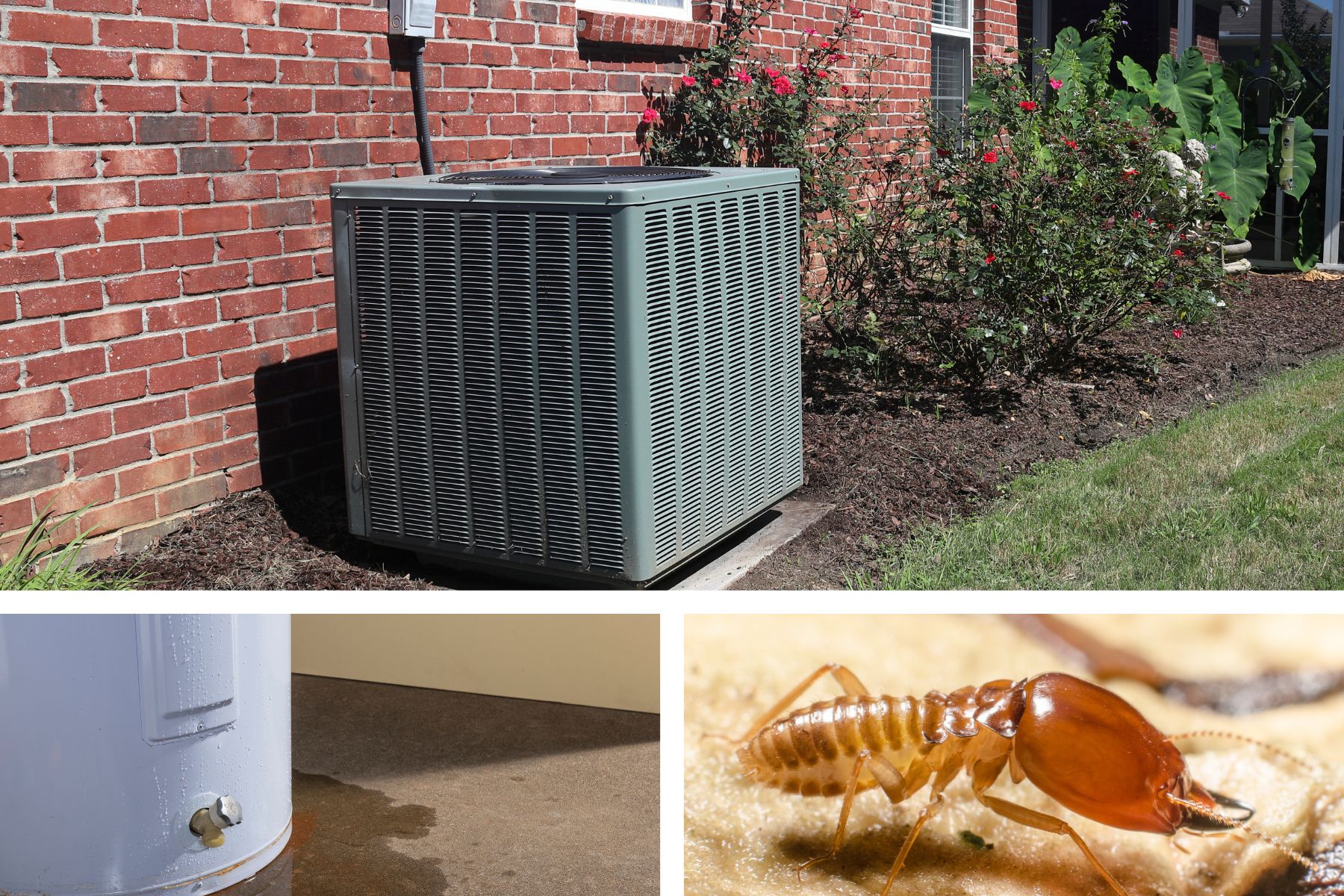
In Florida, a wood-destroying organism inspection – commonly called a WDO – is standard practice, and it carries particular relevance in older wood-frame homes. Termites, wood-boring beetles, and fungal decay are the primary concerns, and inspectors are trained to identify both active infestations and evidence of past activity.
Evidence of past termite treatment is genuinely common in older Jacksonville homes, and it doesn’t automatically signal a problem. What matters is whether there’s active activity, whether damage has been properly repaired, and whether the current treatment coverage is up to date. Buyers who understand this context won’t overreact to prior history – they’ll ask the right follow-up questions.
Specialized Inspections: Targeted, Not Exhaustive
Beyond the core inspections, older homes sometimes call for additional specialized evaluations. An HVAC specialist can provide more depth on aging systems than a general inspection allows. A mold assessment may be warranted if moisture findings are present. If the home has a chimney – common in some of Jacksonville’s older bungalows and craftsman homes – a chimney inspection is worth adding. Historic windows, which are often original wood-framed single-pane units, may also merit evaluation if preservation or replacement is a consideration.
The important point here is that not every older home needs every specialized inspection. The general inspection should guide where additional scrutiny makes sense. Targeted follow-up is far more useful than a scattershot approach.
The Mistake Most Buyers Make
The most common mistake buyers make with older home inspections is treating the process like a scorecard. They expect a report with few findings, and when the report comes back with a list – as it almost always will for a home built 80 years ago – they interpret it as a warning sign rather than normal disclosure.
Older homes will have findings. That’s not a flaw in the home; it’s a function of age. The goal of the inspection process isn’t to confirm that nothing is wrong. It’s to understand what’s normal for a home of this era, what’s been thoughtfully updated, and what genuinely needs attention. Buyers who approach inspections with that mindset make better decisions – they negotiate from a position of knowledge rather than anxiety, and they don’t walk away from solid homes over solvable issues.
Making Confident, Informed Decisions
The right inspection approach for a historic Jacksonville home isn’t about finding reasons to walk away. It’s about getting the information you need to move forward with clarity. Buyers who invest in the right inspections – and take time to understand what the findings actually mean – are able to budget appropriately for future maintenance, negotiate based on real data, and close with confidence.
Older homes aren’t risky investments. They’re complex ones. And complexity, when approached with the right knowledge and the right professionals, becomes an advantage. Jacksonville’s historic neighborhoods have been drawing buyers in for generations. With the right due diligence, it’s easy to understand why.
FAQ About Inspecting Older Jacksonville Homes
Do older homes in Jacksonville always fail inspections?
Inspections aren’t pass-or-fail – they’re informational. Older homes will almost always have findings, and that’s completely normal. The goal is to understand what those findings mean in context. A 1930s bungalow with aging plumbing and an updated electrical panel is a very different situation than a home with active structural issues. What matters is the full picture, not the length of the report.
How many inspections should I get on a historic Jacksonville home?
At minimum, plan for a general home inspection, a WDO inspection, and a sewer scope. From there, let the general inspection guide whether additional specialists are warranted. Homes with older electrical systems, visible moisture concerns, or questions about structural integrity may benefit from targeted follow-up. A good real estate agent familiar with historic neighborhoods can help you prioritize based on what the property actually needs.
Are older homes harder to insure in Florida?
They can be, depending on the systems in place. Florida insurance carriers pay close attention to roof age, electrical panel type, and plumbing materials. Homes with certain older panel configurations or cast iron plumbing may face higher premiums or require updates before coverage is issued. Getting clarity on these items during the inspection period – before you’re under the clock at closing – gives you time to address them or factor the costs into your decision.
What’s a sewer scope and why does it matter for older homes?
A sewer scope is an inspection where a small camera is fed through the home’s drain lines to assess their condition from the inside. In older Jacksonville homes, cast iron drain lines are common, and they can develop corrosion, cracks, or root intrusion over time. A sewer scope gives you a direct look at what’s there before you buy. It’s one of the most affordable inspections available and one of the highest-value ones for homes of this era.
Should I walk away from an older Jacksonville home with a lot of inspection findings?
Not necessarily. Volume of findings isn’t the right metric – severity and cost to address are what matter. A long list of minor maintenance items is very different from a handful of major structural or safety concerns. The most useful thing you can do after receiving an inspection report is sit down with your agent and inspector to categorize what’s cosmetic, what’s routine maintenance, and what genuinely needs to be resolved. Most buyers who take that step find that older homes are far more manageable than the report initially made them feel.