

People think Riverside and Avondale are basically the same neighborhood, and that’s usually where things start to go sideways. On a map they sit right next to each other, and a lot of people group them together, but when you actually spend time in both, they feel completely different. Riverside has more layers to it. It’s older, a little less predictable, and a lot more mixed in terms of what you’re going to find from one block to the next.
If Avondale feels polished and consistent, Riverside feels lived in. Not in a neglected way, just in a way that reflects how it grew over time instead of being built all at once. That difference matters more than people expect, because it shows up in everything from the housing to the day-to-day lifestyle.
How Riverside Developed (and Why It Feels Different)
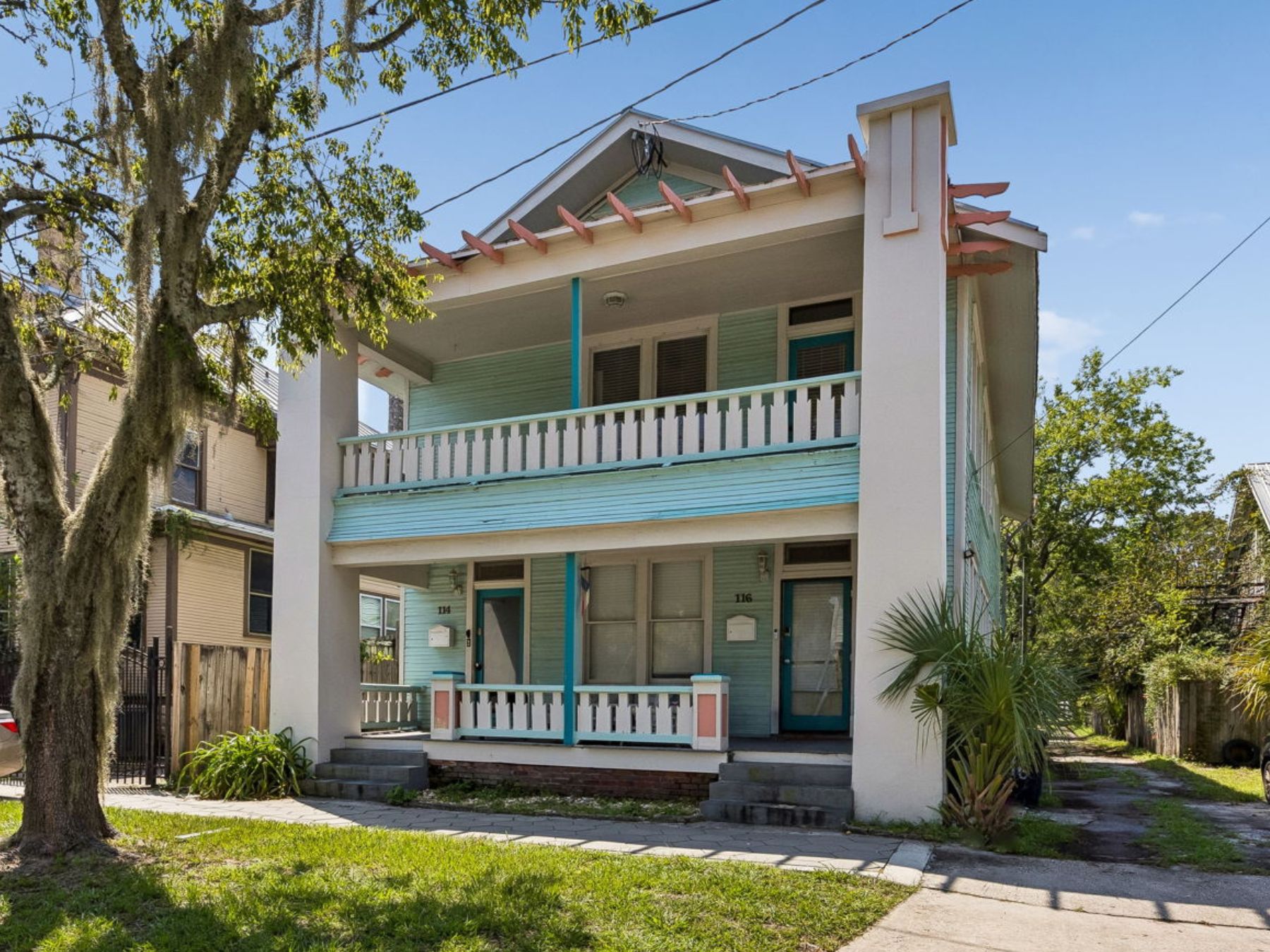
Riverside really took off in the late 1800s and early 1900s, especially after the Great Fire of 1901, when a lot of Jacksonville rebuilt and expanded outward. Unlike Avondale, which was very intentionally planned, Riverside came together in phases. Different builders, different time periods, different architectural styles, all layered into one neighborhood. That’s why you can drive a few blocks and see bungalows, larger historic homes, duplexes, and renovated properties all mixed together without it feeling out of place.
That variety is one of Riverside’s defining characteristics, but it also means buyers have to approach it a little differently. You can’t make assumptions about the entire neighborhood based on one street. Each property stands on its own, and that’s part of the process of figuring out what actually works.
What It Feels Like to Live in Riverside
Living in Riverside feels more active than Avondale. There’s more movement, more going on throughout the day, and more reasons to be out in the neighborhood. You’ll see people walking to coffee, biking to the park, meeting friends for dinner, or heading to one of the local spots in Five Points or along King Street. It’s not loud in a chaotic way, but it’s definitely not quiet in the same way Avondale is. It feels like a neighborhood where people are actually using the area around them.
The Homes in Riverside
The housing here reflects that same mix. People sometimes expect Riverside to be all large historic homes, but that’s not really how it plays out. You’ll find those, but you’ll also find smaller bungalows, multi-unit properties, and homes that are fully renovated sitting right next to ones that still need work.
That creates more entry points into the neighborhood, which is why Riverside tends to feel more accessible than Avondale. Not inexpensive, but more flexible depending on what someone is looking for and what level of work they’re willing to take on.
At the same time, this is still a historic neighborhood. Even when something looks updated, there’s always an element of ongoing maintenance. You’re dealing with older systems, older materials, and inspections that can feel overwhelming if you’re not prepared for them. That’s not a reason to avoid it, but it is something you need to understand going in so you’re making a decision with clear expectations.
Walkability, Five Points, and King Street
Where Riverside really separates itself is in how the commercial areas are built into the neighborhood. This isn’t a situation where you have to drive out to get to everything. Places like Five Points and the King Street district are part of the fabric of Riverside, and they each bring a slightly different energy.
Five Points is probably the most recognizable, with a mix of restaurants, coffee shops, and local retail that gives it a strong identity. King Street has a similar level of activity, just spread out a bit more, with a focus on restaurants, breweries, and nightlife.
The Riverside Arts Market and Community Life
And then there’s the Riverside Arts Market, which is one of the clearest ways to understand what this neighborhood actually feels like. Every Saturday, under the Fuller Warren Bridge along the river, the area fills with vendors, artists, farmers, food, and live music. It’s not just something people visit once. If you live here, it becomes part of your routine.
That’s one of those things that doesn’t show up on a listing sheet but absolutely affects how people experience the neighborhood. You’re not just living in a house, you’re participating in something that’s already happening every week.
That same idea carries into the arts and cultural presence throughout Riverside. You’ve got places like the Cummer Museum right on the river, along with galleries, events, and a general creative presence that runs through the area. It’s not something that feels separate from the neighborhood. It’s part of it.
Parks, Riverfront, and Everyday Outdoor Living
The river itself is another major part of daily life here. Parks like Memorial Park and Riverside Park aren’t just there for show. People use them. Walking, sitting, meeting friends, being outside. It’s built into how the neighborhood functions, and that connection to the river is something buyers consistently underestimate until they experience it in person.
What to Consider Before Buying in Riverside
Now, this is where expectations need to be set correctly, because Riverside isn’t for everyone. People sometimes come in thinking it’s going to feel as consistent as Avondale, and it doesn’t. There’s more variation in home condition, more density in certain areas, and depending on where you are, more noise and activity.
If you’re near one of the commercial pockets, you’re going to feel that. Parking can be tighter, and streets can be busier. And if you’re looking for something that feels completely quiet and uniform, this usually isn’t the right fit.
Also, insurance for old homes can be expensive and some areas will require flood insurance, so talk to your insurance agent early on.
You may find homes in Riverside that will require a Renovation Loan. These aren’t challenging loans, just a different type of loan to discuss with your loan officer. Your Realtor should be able to tell from a property condition if it will require one or not.
Why People Choose Riverside
Riverside tends to attract buyers who want character with flexibility. They want to be able to find something that fits their budget and their vision, even if it’s not perfect on day one. They want to walk to places they actually use, not just say they live in a walkable area. And they want a neighborhood that feels social without feeling forced.
Final Thoughts
At the end of the day, Riverside isn’t about perfection. It’s about personality. It’s about having a neighborhood that has grown into itself over time instead of being built to look a certain way from the start. That comes with trade-offs, but for the right buyer, those trade-offs are exactly what make it work.
And once people get into Riverside, they tend to stay.