
Estimated reading time: 7 minutes
Should you wait for rates to fall before buying a home in Jacksonville? For most buyers, the answer is no. Nobody can tell you when rates will drop, and waiting has costs of its own. A better plan is to buy when the monthly payment fits your budget, then look at a refinance later if rates come down. This post walks through the numbers, the pros and cons, and a simple way to decide.
Where mortgage rates are right now
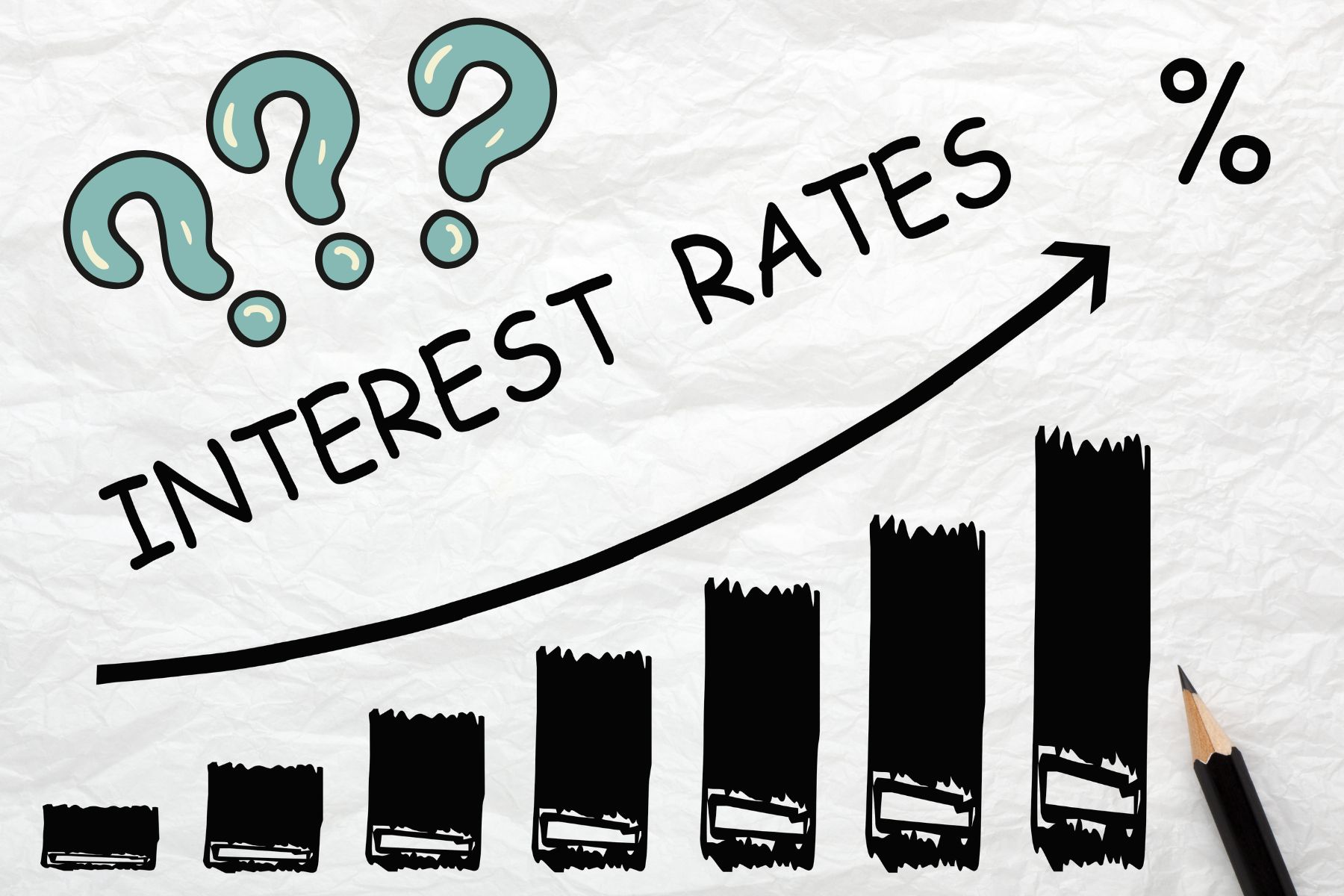
Rates have been moving the wrong way lately. Freddie Mac data shows the average 30-year fixed rate sat near 6.3 percent in mid April. It crossed 7 percent in late September for the first time since January 2025, and it reached 7.28 percent on October 1. That is a big jump in a short time. Anyone who waited since the spring hoping for a drop has seen rates rise instead.
Two things to keep in mind. Rates change every week, so check the latest number with Freddie Mac or your lender before you make a plan. Also, those averages are for buyers with 20 percent down and strong credit, so your own quote may be different.
What a higher rate does to your monthly payment
Here is a simple example. Say you borrow $300,000 on a 30-year fixed loan. At 6.25 percent, the principal and interest payment is about $1,847 a month. At 7.25 percent, it is about $2,047. That is roughly $200 more each month, or about $2,400 a year.
Your real payment also includes property taxes and homeowners insurance. In Jacksonville, those can be a big part of the total, so ask a lender for a full estimate on the home you want. I am a real estate broker, not a lender, so treat these numbers as examples and get a quote that fits your own situation.
That $200 matters. But it is only one side of the math.
Why it is hard to wait for rates to fall before buying a home in Jacksonville
Everyone guesses where rates go next, including economists, lenders, and the news. They miss often. Rates depend on inflation, jobs, bond markets, and events around the world. You cannot plan your life around a guess.
There is also a catch with timing. When rates fall, more buyers come back to the market. More buyers can mean more offers and less room to negotiate. So a lower rate does not always mean a lower cost. You could end up with a better rate and a higher price on the same house.
Here is the part I want you to remember. A refinance can lower your rate later. A purchase price cannot be changed after closing. If you find the right home at a price you like, you have locked in something you cannot fix later, while the rate is something you may be able to improve.
Waiting also has a cost you can see every month. You keep paying rent, and you do not build equity. Equity is the part of the home you own.
Buyers have room to negotiate right now
Higher rates have slowed the market, and that helps buyers in one way. In my review of Jacksonville’s historic neighborhoods (Springfield, Riverside-Avondale, Murray Hill, and San Marco) from April through June 2026, 73 percent of homes sold by other agents closed below their original list price. Thirty-five percent of those sellers cut the price along the way. Those numbers cover resale homes in those four areas, and other parts of Jacksonville can look different. Still, it shows that many buyers are not paying full asking price.
A lower price can also soften a higher rate. In some deals, the seller agrees to pay part of your costs, and that money can fund a rate buydown. A buydown lowers your rate for a set number of years, or for the life of the loan, depending on the type. Ask your lender how one would work on your loan. Ask them what a future refinance would cost too, since refinancing usually has closing costs.
When waiting can make sense
Waiting is the right call in some cases. Wait if the payment does not fit your budget at today’s rates. Wait if you would have very little savings left after closing. Wait if your credit score or debt could improve in the next six months, since that can lower your rate too. In those cases you are not waiting on the market. You are getting ready, and that is a smart plan.
If you are looking at an older or historic home, keep some money set aside for the inspection, insurance, and repairs. Those costs are separate from your rate, and they are easier to handle when you plan for them early.
A simple way to decide
Step one is to talk to a lender and get a real payment estimate that includes taxes and insurance. Step two is to decide the highest monthly payment you would feel good about, with room left over for savings. Step three is to shop for homes at or under that number. Step four is to check back if rates fall. Ask your lender to price a refinance and compare the monthly savings to the closing costs.
If the payment works today, you may not need to wait for rates to fall before buying a home in Jacksonville. If it does not work, use the time to build savings and improve your credit, then run the numbers again.
New to buying? My first-time buyer guide walks through each step from pre-approval to closing, and my post on home inspections explains what not to miss.
Frequently asked questions
Will mortgage rates go down soon?
No one can promise that. Rates rose from about 6.3 percent in April to 7.28 percent on October 1, and they can move up or down from here. Ask your lender about options that work in either direction, like a buydown now and a refinance later.
Can I refinance if I buy now and rates drop later?
Often, yes. You will need to qualify based on your credit, income, and the value of the home. A refinance has closing costs, so ask your lender to compare those costs to your monthly savings before you decide.
How much does a 1 percent rate change cost per month?
On a $300,000 loan, a 1 percent change moves the principal and interest payment by about $200 a month. On a smaller or larger loan, the change shrinks or grows with it.
Do higher mortgage rates mean home prices will fall?
Not always. Rates and prices are two separate things. Some sellers cut their price when the market slows, and others hold firm. The best way to know is to look at recent sold prices for the neighborhood you want.
Is it better to buy now or wait a year?
It depends on your payment, your savings, and how long you plan to stay. If the payment fits and you plan to stay for several years, buying now can work well. If the payment is a stretch, a year of saving and credit work can put you in a stronger spot.
Whatever you choose, start with your real monthly payment, and talk to a lender before you decide whether to wait for rates to fall before buying a home in Jacksonville.
Key Takeaways
- Waiting for rates to drop before buying a home in Jacksonville is usually not advisable due to unpredictable rate changes.
- Current mortgage rates have risen significantly, impacting monthly payments that buyers need to consider.
- A refinance can help lower your rate later, but securing the right purchase price is crucial now.
- Higher rates have slowed the market, allowing for better negotiation opportunities for buyers.
- In some cases, waiting makes sense if today’s payments exceed your budget, but use that time to improve your finances.
This content is for general informational purposes. Neighborhood preferences, commute times, amenities, housing availability, school assignments, and local conditions vary by location and can change. Buyers and renters should independently evaluate properties and areas based on their individual priorities. Equal Housing Opportunity.