

Estimated reading time: 5 minutes
This is the final post in our five-part Airbnb investing series, and it covers the part that never really ends: getting bookings and keeping the property running well month after month. If you’ve followed along from Part 1, you’ve budgeted, researched your market, confirmed the legal picture, and set the property up. Now it’s time to actually run the business.
Marketing: The Booking Doesn’t Happen by Accident
A great listing still needs to be found and chosen over the dozens of others a guest is comparing it to. A few approaches consistently work well:
- Tell a story in your photos and description, not just a features list. A guide to the neighborhood, paired with photos of the home’s character, gives guests a reason to pick your listing over a similar one down the street.
- Use social media to show, not just tell. Photos of the home’s best details, and even a short walkthrough video, give potential guests a real feel for the space.
- Consider local partnerships. A lifestyle blogger or local publication willing to feature your listing, sometimes in exchange for a complimentary stay once you’re established with solid reviews, can bring in real visibility.
- Get listed with local tourism resources. Being included on Jacksonville tourism sites and directories puts your property in front of visitors who are already planning a trip.
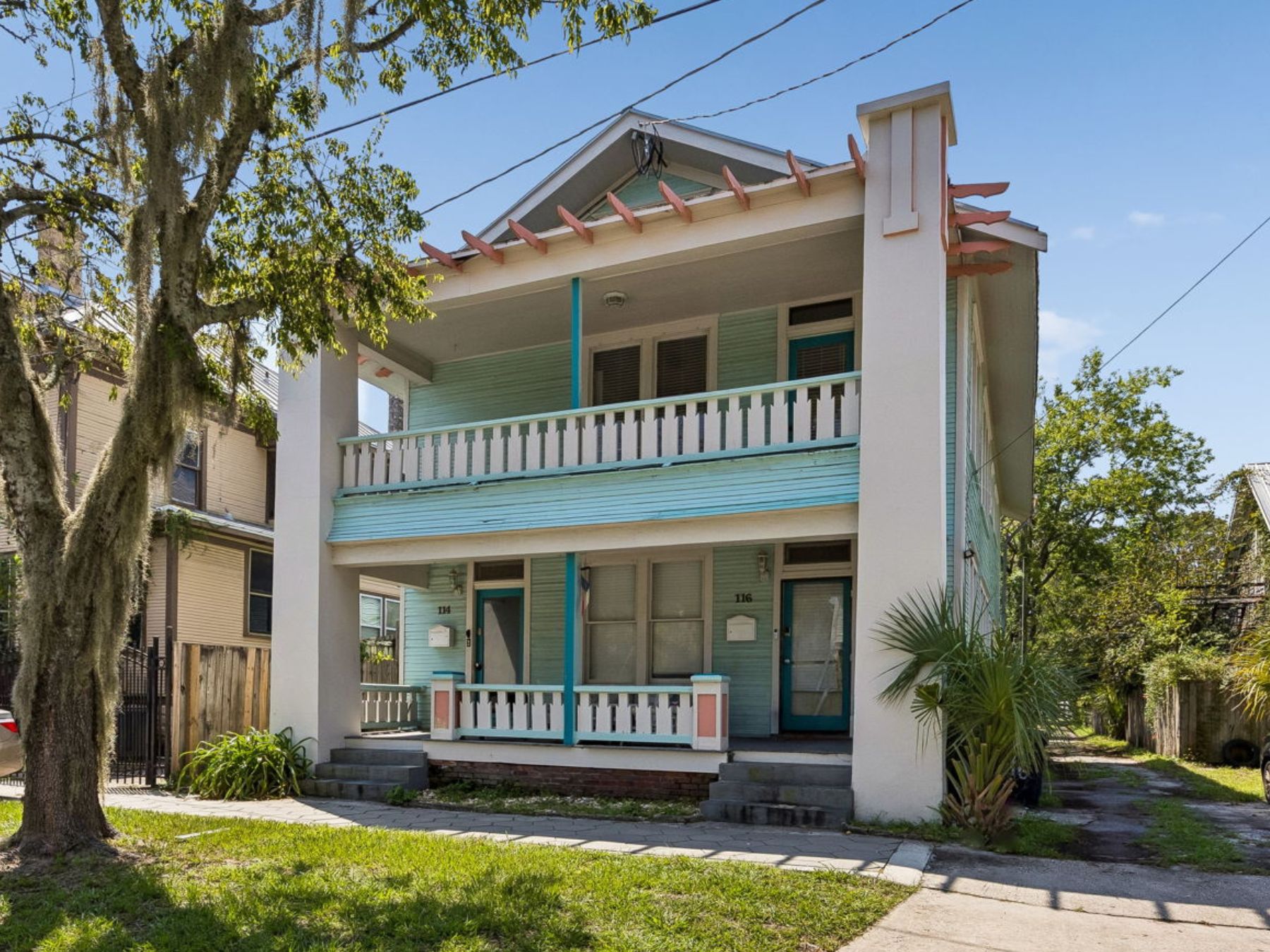
- Highlight what makes the property genuinely different. A home office for remote workers, a walkable historic street, or a porch built for sipping coffee are all details worth calling out specifically, not burying in a paragraph.
Local Flavor Is a Real Selling Point
Jacksonville’s historic neighborhoods have built-in marketing material most competitors overlook. Springfield’s PorchFest and the Phoenix Arts District, the Riverside Arts Market, and San Marco Square are all things a guest can genuinely picture themselves enjoying. Naming them specifically in your listing description does more than a generic phrase like ‘close to everything’ ever will.
Maintenance: Routine vs. Reactive
Short-term rental maintenance falls into two categories. Routine maintenance is predictable: changing air filters, regular walkthroughs, housekeeping between guests. Reactive maintenance is not: a clogged drain, a leak, an HVAC issue that shows up the week you’re fully booked. Plan for both, and keep a small reserve of cash specifically for the reactive category so a surprise repair doesn’t derail your month.
You have three basic options for handling it: do it yourself, hire a full property management company, or build relationships with local professionals, a plumber, a cleaner, a handyman, you call directly as needed. Many hosts land somewhere in the middle: doing the guest-facing communication themselves while outsourcing cleaning and any specialized repairs.
What Jacksonville’s Climate Adds to the Job
Humidity is a real maintenance factor in a historic Jacksonville home. Stay ahead of moisture and ventilation issues, especially in older construction, to avoid mold problems down the line. Hurricane season also means thinking through what happens to bookings, guest safety, and the property itself if a storm approaches, including a clear plan for cancellations and communication with anyone staying there at the time.
What Experienced Hosts Wish They’d Known
A few honest lessons that come up again and again from hosts who’ve been doing this a while:
- It’s a hospitality business, not a passive income stream. Even with a property manager, staying involved in the guest experience matters.
- You can’t please every guest, and that’s fine. Rolling with reasonable requests while accepting you won’t satisfy everyone is part of the job.
- Some properties are simply higher maintenance than others, often tied to the age and condition of the home. Go in with eyes open about what you’re taking on.
- Things will break. Budget for it emotionally as well as financially, and remember that most things are replaceable.
- Getting to know your neighbors early, and being upfront about your plans to rent the property, tends to prevent problems down the line.
The Payoff
Done right, a short-term rental is more than a spreadsheet. Hosts consistently mention the same thing: the messages from guests who had a genuinely great stay, a family reunion, a milestone celebration, a quiet trip that meant something, are what make the work worth it. That part doesn’t show up in a cap rate calculation, but it’s real, and it’s a big part of why so many hosts stick with it well past their first year.
| That wraps up our five-part series on investing in a Jacksonville Airbnb, from budgeting all the way through running the business day to day. If you’re ready to start looking at actual properties, or you want a second opinion on one you’ve already found, I’d love to help you work through it. |
Frequently Asked Questions
How much time does managing an Airbnb actually take?
It varies by host and by property, but expect regular time for guest communication, coordinating cleanings, and handling the occasional maintenance issue, even if you hire a property manager for the hands-on work. Most hosts find it’s more time than a purely passive investment, especially in the first several months.
Should I hire a property management company?
It depends on how hands-on you want to be and how far you live from the property. A management company reduces your day-to-day involvement but comes with a real monthly cost, often a meaningful percentage of revenue. Many hosts start self-managing and reassess once they see their actual time commitment.
How should I handle a bad review?
Respond calmly and professionally, address any legitimate issue directly, and avoid getting defensive in a public reply. A thoughtful response to a critical review often reassures future guests more than it hurts you, especially if the rest of your reviews are strong.
What if a guest damages an original feature in a historic home?
Document the home’s original features with photos before a guest ever checks in, and make sure your short-term rental insurance policy accounts for the value of period details, not just standard replacement costs. Airbnb’s Host Protection may also apply, but understanding the claims process before you need it will save you time and stress later.
Key Takeaways
- Marketing your Airbnb listing is crucial; storytelling through photos and local partnerships enhances visibility.
- Routine maintenance is essential; budget for both predictable upkeep and unexpected repairs.
- Jacksonville’s climate poses unique challenges, especially regarding humidity and hurricane preparedness.
- Experienced hosts advise staying involved, accepting some guest dissatisfaction, and budgeting for maintenance costs.
- The emotional rewards of hosting, like positive guest feedback, often outweigh financial calculations.