

Estimated reading time: 6 minutes
Not every good house makes a good Airbnb, and not every popular neighborhood is a good short-term rental market. This post is about the research step that separates a profitable investment from an expensive lesson: figuring out where to look and how to tell if a specific property actually pencils out.
This is Part 2 of our Airbnb investing series. If you haven’t read Part 1 on budgeting and financing yet, start there so you know your number before you fall for a listing.
What Makes a Market Worth Investing In
Before you fall in love with a specific house, evaluate the market it sits in. A few factors matter more than the rest:
- Occupancy potential: Most experienced investors look for markets where similar properties run above 60 percent occupancy. Below that, it gets hard to cover your costs.
- Nightly rates that support your numbers: A cheap house in a market with weak nightly rates can still lose money. A pricier house in a strong market can still cash flow.
- Reasonable operating costs: Property tax, insurance, and management costs eat into your margin before you see a dollar of profit.
- Safety and desirability: Guests avoid areas with high crime, and so should your investment dollars.
- Affordability relative to your budget: Don’t stretch into a market or price point that leaves you no cushion.
Where This Gets Interesting in Jacksonville
Jacksonville isn’t a beach-town short-term rental market with one obvious tourist season. It’s a city market, which changes the math a little. Demand comes from a mix of leisure travelers drawn to the historic districts and riverfront, visitors in town for events at the stadium and downtown venues, business travelers, and people relocating who need a place to stay while they house hunt.
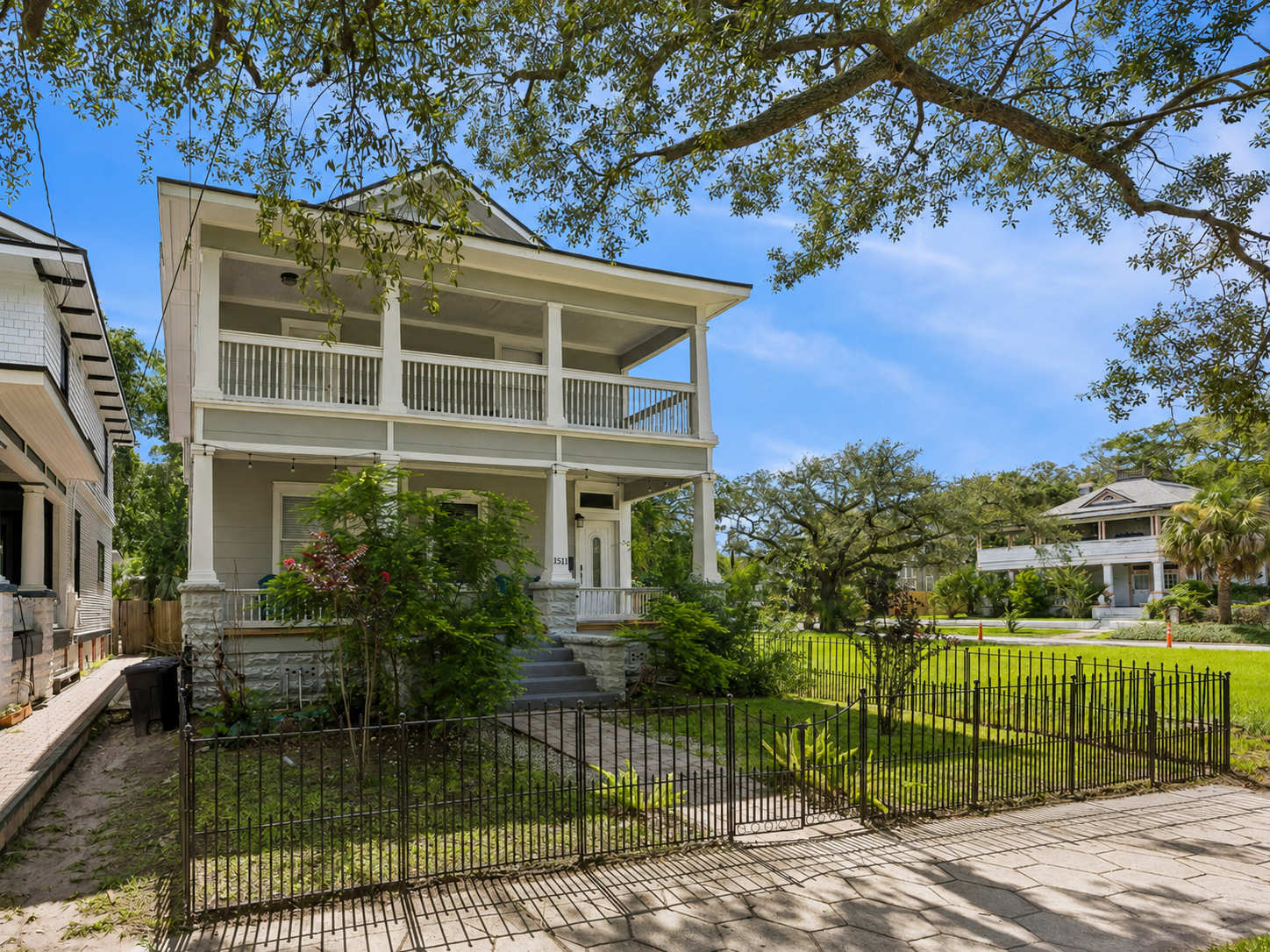
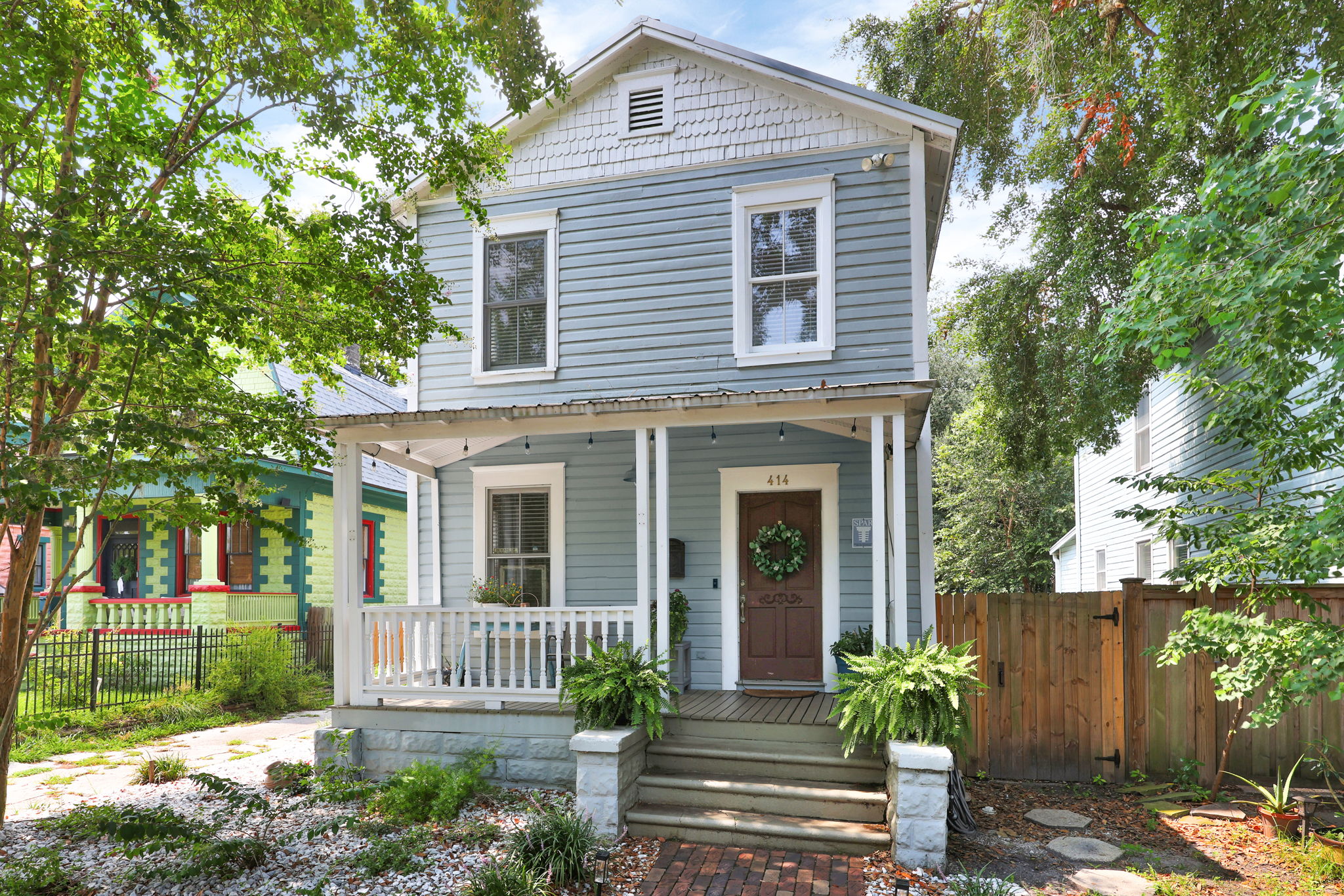
The historic neighborhoods, Springfield, Riverside-Avondale, Murray Hill, and San Marco, have something a lot of newer subdivisions can’t offer: character. A wraparound porch, original hardwood floors, or a clawfoot tub photographs beautifully and gives guests a story to tell, which matters more than people expect in a market where guests are choosing between dozens of similar listings.
That said, character isn’t the only thing that matters. Before you commit to a neighborhood, you also need to know whether the property can legally operate as a short-term rental there in the first place. We’ll go deep on Jacksonville’s zoning and permitting rules in Part 3, but it’s worth flagging here: don’t fall in love with a specific address before you’ve at least sanity-checked whether an Airbnb is allowed on that block.
Researching Numbers Before You Ever Make an Offer
Once you’ve narrowed down a market or neighborhood, it’s time to get specific. Short-term rental data tools like AirDNA let you look up projected revenue and occupancy for a specific address or area, which is a faster starting point than guessing. You can also do this the old-fashioned way: look at active listings in the neighborhood on Airbnb and VRBO, note their nightly rates, and estimate occupancy based on their review count and dates.
Either way, treat the number you find as a starting estimate, not gospel. Run your own numbers conservatively, and always sanity-check a tool’s projection against real comparable listings you can see with your own eyes.
The Numbers That Actually Tell You If a Deal Works
This is where a lot of new investors get intimidated, but the math is simpler than it sounds. Two numbers do most of the heavy lifting:
- Cap rate: Your annual net operating income (revenue minus operating expenses, before the mortgage) divided by the purchase price. Many investors treat 8 percent or higher as a strong number, though what counts as good depends on your goals and the market.
- Cash-on-cash return: Your annual cash flow (after the mortgage) divided by the actual cash you put into the deal. This tells you how hard your invested dollars are working for you.
Comparative Analysis: Don’t Skip This Step
Before you make an offer, look at what similar properties nearby have actually sold for recently, ideally within the last couple of months. This tells you whether the asking price is fair and helps you avoid overpaying, which is the single easiest way to turn a good property into a bad investment.
Do this analysis on multiple properties, not just the one you’re excited about. Comparing two or three side by side, on the same set of numbers, makes weaknesses in a listing much easier to spot than evaluating one property in isolation.
A Word on Seasonality
Jacksonville has less dramatic seasonality than a beach town or ski destination, but it’s not flat all year either. Fall football weekends, spring events, and holidays can spike demand, while late summer tends to run slower. Build a realistic month-by-month picture rather than assuming every month looks like your best month.
| In Part 3, we’ll cover the rules and regulations you need to understand before you buy, including zoning, licensing, and the taxes every Jacksonville host has to collect. If you’d like help running comps and cash flow numbers on a specific property, that’s a conversation worth having before you write an offer, not after. |
Frequently Asked Questions
What’s a good cap rate for a short-term rental?
Many investors treat 8 percent or higher as a strong cap rate for a short-term rental, though the right number for you depends on your goals, financing, and how much risk you’re comfortable with. Use it as a comparison tool across properties rather than a strict pass or fail line.
How do I estimate occupancy before I buy a property?
Look at active listings for comparable properties in the same neighborhood and check their review counts and calendar availability, or use a short-term rental data tool to pull historical occupancy for the area. Either way, estimate conservatively rather than assuming a best-case scenario.
Should I invest in a tourist destination or a city market like Jacksonville?
Both can work, but they behave differently. Tourist and beach markets often have stronger seasonal swings, while city markets like Jacksonville tend to have steadier, more diversified demand from a mix of leisure and business travelers. Neither is automatically better, it depends on your goals and how much seasonal risk you want to take on.
Can I trust online Airbnb income calculators?
Treat them as a helpful starting estimate, not a guarantee. These tools are useful for narrowing down a market, but always double-check the number against real, active comparable listings before you rely on it to make a purchase decision.
Do Jacksonville’s historic neighborhoods make good Airbnb markets?
They can, thanks to the character and story these homes offer guests, but zoning and historic district rules vary by property and need to be checked before you buy. We cover this in detail in Part 3 of this series.
Key Takeaways
- Not all properties make good Airbnbs; research is key to identifying profitable investments.
- Key factors for profitable markets include occupancy rates, nightly rates, operating costs, and safety.
- Jacksonville’s diverse demand comes from leisure and business travelers, making it unique compared to beach towns.
- Use tools like AirDNA to analyze occupancy and revenue before making an offer on a property.
- Consider cap rates and cash-on-cash returns for evaluating potential deals in the best neighborhoods for Airbnb Jacksonville.